Нажмите, чтобы развернуть оглавление
Содержание
Design the Range Architecture before Supplier Selection
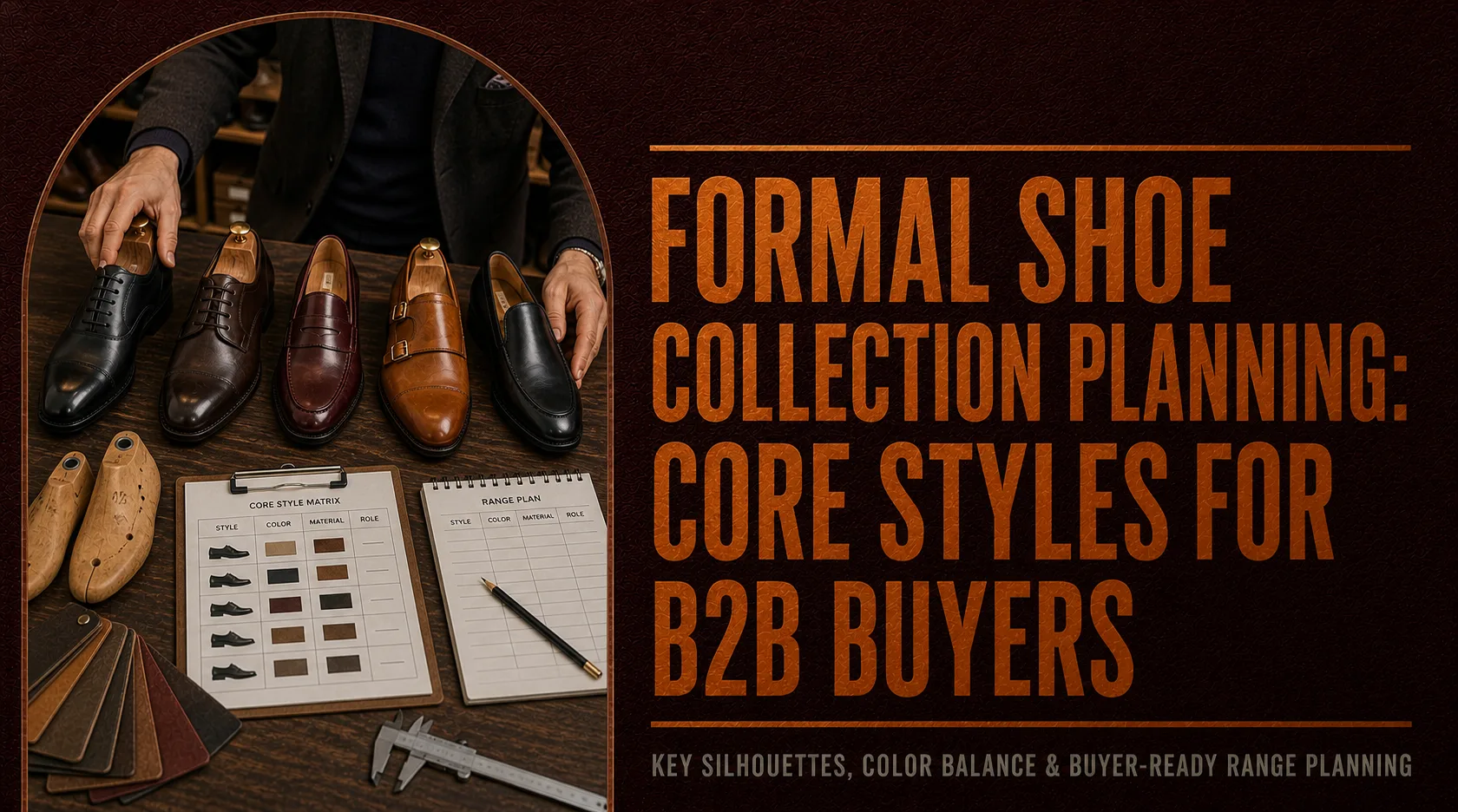
A men’s shoe manufacturer should be evaluated against a collection system, not a sequence of unrelated style requests. Define core, price-tier and controlled-choice roles; decide which lasts, constructions, materials and components can be shared; and protect size depth where demand is most important. Representative samples should prove the platform before colors and upper variations multiply. The commercial test is whether the proposed range remains distinct to the customer while sharing enough inputs to be manufacturable and reorderable.
N014 owns multi-style men’s dress-shoe range architecture and manufacturability. N001 owns final manufacturer selection; N005 owns private-label supplier shortlisting and RFQ execution. The unverified UK geography term remains excluded. Related reading: footwear manufacturer capability checklist; dress shoe manufacturer selection guide.
Assign Every Style a Commercial Role
Составьте коммерческое и техническое задание
A useful brief explains the customer, price position, intended use, launch window and assortment logic before it lists materials. For a commercial men’s dress-shoe range, define the product family, construction, size range, colors, expected quantities, brand treatments, packaging and target market. State what is already approved, what needs supplier input and which choices remain conditional. This prevents a men’s shoe manufacturer from filling gaps with assumptions that later appear as price changes or range prototype delays.
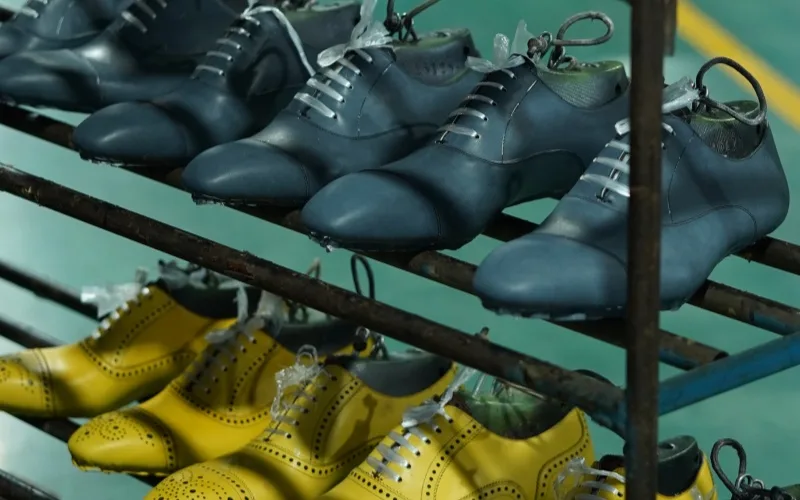
- State the product and customer role of a commercial men’s dress-shoe range.
- Define good-better-best assortment roles and name the buyer-side decision owner.
- Record shared last, fit and component strategy with approval evidence and version control.
- Отделите требования запуска от более поздних опций или идей пополнения запасов.
- Укажите коммерческие исходные данные, необходимые для сопоставимого ответа.
Отделите фиксированные требования от переменных, подлежащих обсуждению
Not every range definition deserves the same status. Fit, regulatory requirements, protected artwork and customer-facing claims may be fixed, while leather selection, construction details or packaging can remain conditional within an approved range. Label each item as fixed, supplier-proposed or buyer-to-demonstrate. This classification gives the supplier room to solve legitimate constraints without silently changing the concept.
The brief should also record the decision boundary behind this article: The UK geography primary is excluded because Хэнсинь has no verified UK manufacturing location or UK geography page. That note matters because related search terms can lead teams into a different sourcing workflow. A controlled brief keeps the current buyer decision narrow enough to compare evidence and broad enough to expose dependencies.
Use a Men’s Shoe Manufacturer Supplier Checklist for Range Fit
Good-Better-Best Assortment Roles
Start with pass-fail gates before using a weighted score. A men’s shoe manufacturer supplier checklist should test category fit, the relevant process, access to current evidence, range prototype discipline, quality responsibility and commercial transparency. A candidate that cannot identify the process owner or explain a material assumption should not receive extra points merely for a polished presentation.
The checklist must reflect assortment roles, shared lasts and components, size curves and construction mix. Task the same core questions of every candidate and require the answer in a comparable form. Record the source, date and limitation of each important statement. This turns supplier evaluation into a traceable decision rather than a collection of impressions.
Контрольные точки решения для первого отбора поставщика
| Контроль | Доказательства, которые необходимо запросить | Использование решения |
| Good-Better-Best Assortment Roles | Требуемые доказательства и владелец решения | Определите до оценки поставщика |
| Shared Last, Fit And Component Strategy | Запись об утверждении и полномочия на изменения | Проверьте во время отбора образцов |
| Control fit and finishing consistently across the range, not style by style | Критерии, записи и маршрут эскалации | Проверьте до выпуска оптовой партии |
| Balance variety with shared components, size demand and replenishment logic | Допущения, исключения и сопоставимое коммерческое предложение | Нормализуйте до присуждения |
Shared Last, Fit And Component Strategy
Responsibility should be explicit across buyer, supplier and any intermediary. Identify who proposes, approves, purchases, stores, changes and releases each critical input. When shared last, fit and component strategy is vague, the range plan can move forward operationally while ownership remains disputed. The correction is a signed responsibility matrix linked to the latest range definition and range prototype record. Range ownership also covers the shared platform itself. State who controls the last and grading basis, shared patterns, common components and color or finish standards. If one style requires an exception, record whether that exception changes fit, tooling, purchasing, inspection or the reorder route for the rest of the collection. Review the exception against every dependent style before treating it as a local change. The range file should show the current platform revision beside each style, so a sample approved against an earlier last, outsole or pattern cannot silently become the reference for a later variant.
- Подтвердите владельца решения и доказательства, необходимые для утверждения.
- Зафиксируйте текущую версию, открытые допущения и срок.
- Эскалируйте противоречия до того, как будет authorised новый образец или коммерческое предложение.
- Переходите к следующему этапу только после того, как согласованные доказательства будут полными.
Approve Representative Styles before Expanding Variants
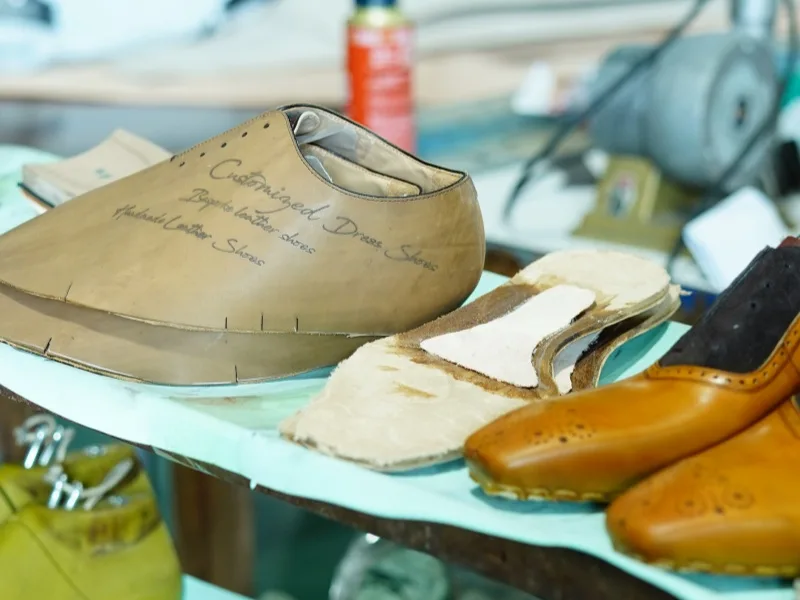
Approve representative core styles before multiplying color and upper variants
Men’s Shoe Manufacturer sample development should test the information flow as much as the physical shoe. The range prototype request needs a versioned brief, reference materials, measurement or fit requirements, construction notes, brand placements, packaging direction and acceptance criteria. Supplier questions should be logged because they reveal which parts of the brief are not yet production-ready.
Review the range prototype against the frozen inputs, not against memory. Comment sheets should distinguish defects, range definition changes, optional improvements and questions. Once approved, photograph the reference, sign or digitally lock the record and identify which physical range prototype controls bulk production. This approach supports approve representative core styles before multiplying color and upper variants.
Управляйте ревизиями, оснасткой и записями о выпуске
Изменение является как коммерческим, так и техническим. Изменение колодки, подошвы, артикула кожи, отделки, художественного оформления, размерной шкалы или упаковки может повлиять на оснастку, закупку материалов, выход, цену и график. Требуйте от поставщика показать влияние до внедрения изменения. Запись об утверждении должна указывать версию, причину, влияние на стоимость, влияние на сроки и возможность дальнейшего использования ранее закупленных материалов или оснастки.
Запись об утверждении перехода от образца к серии
| Шлюз | Требуемая запись | Вопрос выпуска |
| Краткое задание принято | Версионированная спецификация и журнал открытых вопросов | Видны ли зоны ответственности и неизвестные? |
| Образец рассмотрен | Лист замечаний, измерения и ссылки на материалы | Does the sample answer the intended test? |
| Changes closed | Revision log with cost and schedule impact | Have affected inputs been re-approved? |
| Bulk released | Signed sample reference and packing criteria | Can production identify the controlling record? |
Verify Cross-Style Quality and Range Evidence
Build a Men’s Shoe Manufacturer Evidence Checklist
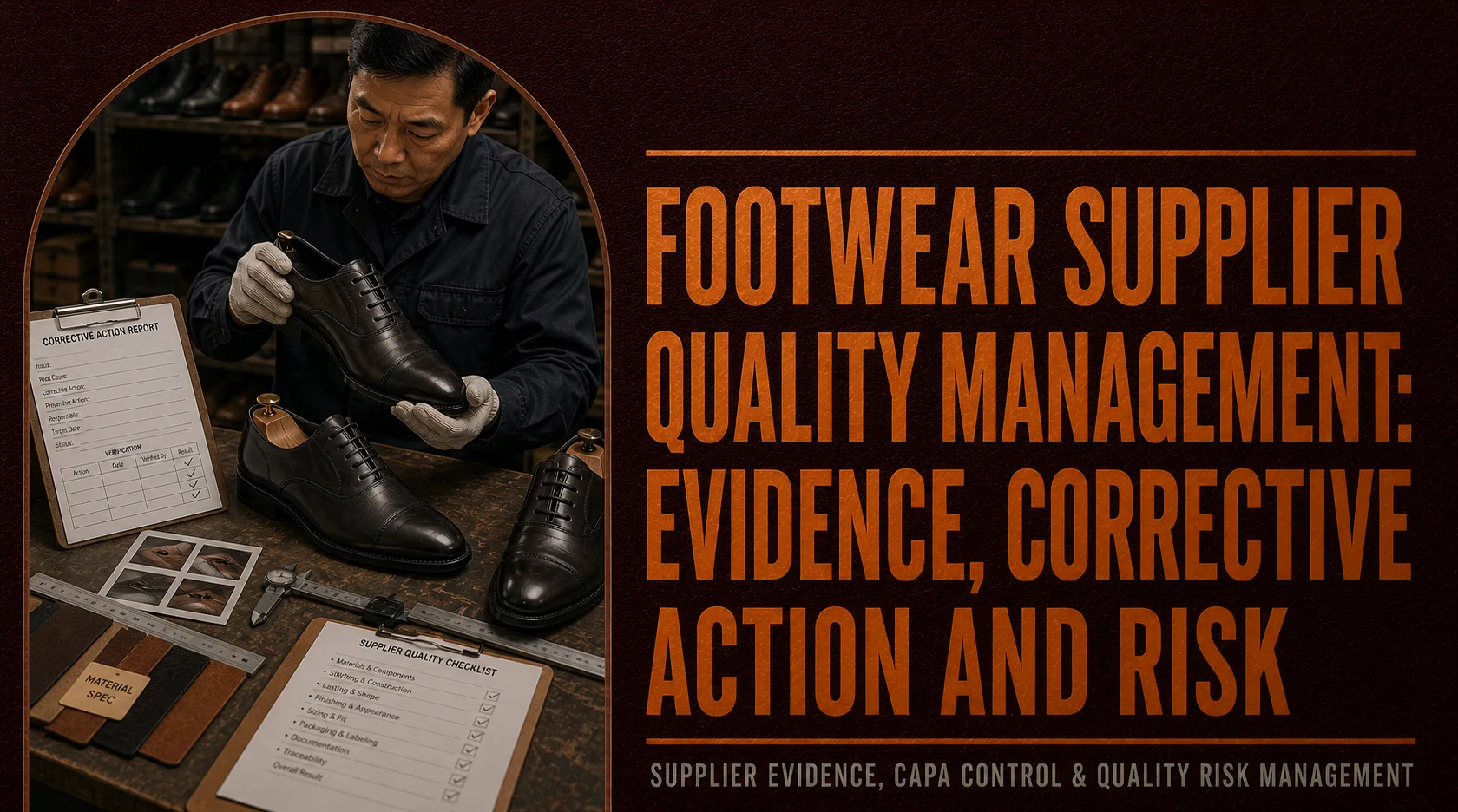
A men’s shoe manufacturer evidence checklist should connect claims to current operating records. Useful evidence includes identity and authority documents, the factory relationship, relevant work orders, incoming material records, in-process checks, final inspection records, packing controls and corrective actions. Evidence is stronger when dates, product types and quantities align across documents and observations.
- Check whether identity, address and contracting authority agree.
- Match the quoted process to current production and work-order evidence.
- Trace quality criteria from the approved sample to inspection records.
- Confirm who closes nonconformities and authorizes packing release.
- Record evidence gaps as conditions, not as assumed strengths.
Use a Men’s Shoe Manufacturer Factory Audit without Losing Scope
A men’s shoe manufacturer factory audit should verify the controls relevant to this program rather than repeat a generic tour. Follow one continuous route where possible, weigh the observed process with the quotation and task operators or records to demonstrate the handoff points. The detailed live-audit method remains with the private label manufacturer shortlist and RFQ guide; this page uses audit evidence only to support its narrower decision.
Hengxin evidence must remain within its controlled wording. Hengxin’s approved positioning is that it specializes in premium men’s dress shoes, so category fit should be tested against that defined scope. Hengxin’s approved product scope includes relevant Oxford, Derby, monk strap, loafer, dress boot, dress sneaker and driving-shoe categories. Hengxin supports OEM, ODM and private label development, but the exact service scope is confirmed through project feasibility rather than assumed in advance. Hengxin states that every finished pair undergoes final inspection before packing; buyers should still confirm the criteria, scope, records and corrective-action route. These points establish relevant context, but buyers should still verify order-specific materials, capacity, quality criteria and scheduling rather than extend a brand statement into a universal promise.
Model MOQ and Cost across the Collection
Explain Men’s Shoe Manufacturer MOQ and Price Factors
A men’s shoe manufacturer MOQ should be explained as a set of constraints, not presented as a mysterious threshold. Task which factor binds: leather or component purchasing, color setup, size assortment, tooling, packaging, production changeover or commercial policy. Then test whether shared materials, fewer colors, a tighter opening assortment or staged replenishment changes the constraint without damaging the product proposition.
A comparable men’s shoe manufacturer quotation separates development, tooling, testing, packaging setup and other one-time charges from recurring unit cost. It states the assumed construction, material grade, size and color mix, branding, inspection, packing, trade terms and validity. Price differences can then be traced to scope rather than treated as unexplained supplier variance.
Verify Men’s Shoe Manufacturer Lead Time and Production Capacity
Men’s Shoe Manufacturer lead time depends on range prototype approval, material readiness, production routing, quantity, packaging, season and the current schedule. Task for milestone dates and prerequisites instead of a single completion date. Men’s Shoe Manufacturer production capacity should be tested with product-specific records, the current order mix, line planning and recent output; a broad headline figure does not establish available capacity for this program. Build one milestone map for the collection, then identify option-specific branches. Representative samples, material commitments, tooling, size-set review, production and packing should have entry conditions. A style added after the platform is frozen must show whether it uses released inputs or creates a new critical path. Reconfirm launch sequence when one branch becomes late.
Commercial normalization for supplier comparison
| Comparison field | Required assumption | Проверка покупателем |
| Order minimum | Binding material, setup, size, color or packaging constraint | Can the constraint be changed without weakening the range? |
| Unit price | Same specification, quantity, trade term and inspection scope | Разделены ли единовременные расходы? |
| График | Контрольные точки утверждения, материала, производства и упаковки | Are dependencies and available slots shown? |
| Мощность | Product route, current load and recent actual output | Is availability specific to this order? |
Release the Range through Conditional Approval
Оцените пробелы в доказательствах и условия принятия решения
A final score should distinguish confirmed strength, manageable condition and unresolved risk. Give greater weight to factors that can stop launch: category fit, range definition control, material feasibility, range prototype approval, quality evidence, schedule and accountability. A strong commercial offer should not erase a missing process owner or contradictory records.
- List every open assumption beside its owner and closure date.
- Convert material evidence gaps into pre-award or pre-bulk conditions.
- Reconfirm price and schedule after the specification is frozen.
- Keep an alternate supplier or recovery route for critical dependencies.

Conditional approval is useful when the supplier is suitable but a limited set of evidence remains open. The award note should say what is approved, what is prohibited, what must be closed before the next payment or release and who can accept the evidence. This makes the decision reversible until the most important risks are controlled. Conditional range approval should identify active styles, quantities and references, as well as deferred options and the evidence required to activate them. It should also state whether shared materials may be reallocated between styles, who approves that change and how the size-color matrix and quotation are updated.
Before final award, the buyer should run a scenario review for a commercial men’s dress-shoe range. Test a material delay, a failed sample criterion, a quantity change and a schedule conflict. For each case, identify the document that changes, the person who approves the response and the commercial consequence. Scenario review is valuable because it reveals whether the apparent control system works only when the plan is stable. A resilient supplier decision makes changes visible before they become undocumented substitutions, rushed approvals or disputed charges.
Keep a range decision log recording added, deferred and removed styles, shared-platform assumptions, evidence, commercial impact, owner and effective version. This prevents a later team from rebuilding the assortment from memory or reviving a deleted option without understanding why it was removed.
Men’s Shoe Range Planning FAQs
Which styles should be sampled first?
Select styles that represent the main last and fit, construction routes, materials, finish levels and commercial roles. Do not multiply colors before the platform is proven.
What should styles share across a range?
Share lasts, constructions, components, materials or packaging only when the common input supports fit, quality and product distinction. Record every intentional exception.
How should MOQ be evaluated across styles?
Identify the binding event for each material, color, component, size curve and setup, then test whether options can share it without losing traceability or range purpose.
How should buyers protect size depth?
Allocate size curves by style role and channel evidence. Avoid consuming the opening order with shallow decorative variants while core sizes remain under-supported.
What proves cross-style quality control?
Use shared fit and finish references, option identities, current specifications, stage checks and cause-based records that distinguish a platform problem from one SKU failure.
How do OEM and private-label roles affect the range?
They can change who supplies design and technical inputs, but they do not remove the need for role ownership, representative samples, released specifications and change authority.
When should an option be deferred?
Defer it when the role duplicates another style, evidence is incomplete, it fragments a key minimum, or the sample fails the intended platform decision.
Send a Range Architecture, Not a Style Wishlist
Provide style roles, shared lasts and constructions, materials, components, size curves, colors, quantities, branding, packaging, price tiers, sample sequence and launch plan. Ask the supplier to identify shared and separate buying events.
For Hengxin review, keep the proposed collection within relevant premium men’s dress-shoe categories and project feasibility. Confirm platform sharing, material availability, sample needs, MOQ and timing for the actual range rather than extending a general category statement.