Нажмите, чтобы развернуть оглавление
Содержание
Evaluate an ODM dress shoes manufacturer in China by checking how it translates brand intent into traceable design options, discloses source and ownership, screens feasibility, manages sample decisions, and hands an approved concept into controlled production specifications. Dress Shoe Factory is the market-facing brand of Hengxin Shoe Factory, which specializes in premium men’s dress shoes and supports ODM development.
ODM should narrow choices through evidence and approvals. It should not give the manufacturer unlimited authority over brand identity, intellectual property, compliance, fit, or commercial decisions. Buyers should verify the legal contracting entity and Yangjiang, Guangdong factory information before contracting.
1. Define the ODM Boundary
ODM is useful when a brand has a market and product direction but needs manufacturer-assisted concept or technical development.
Map the requested support
State whether help is needed with category selection, last or silhouette options, pattern details, construction, material and component options, color and finish, branding application, packaging, or technical documentation.
Separate decisions the brand retains from areas where Hengxin may propose options. Name the approvers for design, fit, sourcing, brand, compliance, commercial, and production release.
Distinguish ODM from OEM
OEM generally emphasizes execution of buyer-controlled specifications. ODM includes more manufacturer-supported development before the specification is complete. A project can move from ODM exploration into OEM-like execution after approval.
Сайт OEM dress shoes manufacturer China page focuses on configuration control after buyer requirements are defined. This page focuses on the option funnel that comes first.
2. Write a Design-Boundary Brief
An open brief should invite useful options without becoming directionless.
Define the customer and brand codes
Describe target market, wearer, use occasion, price position, category, size system, fit direction, sales channel, and assortment role. Provide brand codes such as proportion, formality, color, signature details, and elements to avoid.
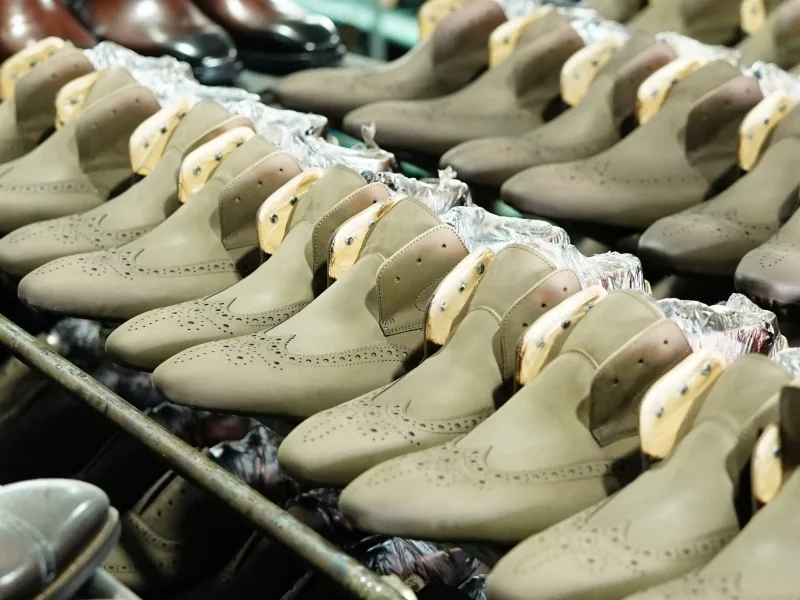
Hengxin’s approved product scope includes Oxford and Derby shoes, monk straps, loafers, dress boots, dress sneakers, driving shoes, and casual loafers. Select a starting category rather than asking for every possible style.
Set design constraints
Identify required, preferred, and open elements for construction, materials, outsole, heel, colors, finish, branding, packaging, quantity profile, destination, and schedule target.
Provide references with an explanation of what they communicate. Do not request an unlicensed copy. A mood image may guide a silhouette or color direction, but it does not prove ownership or define a manufacturable product.
3. Use a Controlled Option Funnel
The goal is not to generate the largest number of designs. It is to identify a small set of relevant options and make tradeoffs visible.
Start with option families
Ask the manufacturer to group proposals by meaningful decisions: category, last family, construction, upper pattern, bottom unit, material direction, color or finish, and branding method.
For each option, record the source, current ownership or permitted use, required tooling, likely material or component dependencies, fit implications, visual effect, and open evidence. Do not use the unsupported “500+ designs” claim.
Score against the brief
Evaluate options against target consumer, brand fit, distinctiveness, manufacturability, assortment role, material and component readiness, commercial constraints, and approval risk. Weight criteria before scoring.
A scorecard supports a decision; it does not replace design judgment. Record why an option is kept, revised, combined, or rejected so that eliminated ideas do not reappear without context.
Limit each review round to decisions the team is ready to make. If the last and silhouette remain open, comparing many finishes or packaging treatments can create rework without reducing the central risk. Record dependencies so later choices begin only when the required upstream decision is stable.
Use a concept comparison sheet with consistent views, names, and assumptions. An option shown with a premium material or different bottom should not receive an advantage unless those inputs are part of its defined proposal. Make unlike assumptions visible before stakeholders vote.
4. Track Source, Ownership, and Permitted Use
ODM development can combine buyer references, manufacturer know-how, supplier components, generally available forms, and project-specific work.
Maintain an input register
For each drawing, photograph, sample, last, pattern, outsole, hardware item, artwork, and packaging concept, record source, owner, permitted use, restrictions, date, and project applicability.
Clarify whether project-specific tooling, files, or samples are buyer-owned, manufacturer-owned, licensed, or subject to another arrangement. Put the agreement in the contract rather than assuming that payment automatically transfers every right.
Review similarity risk
Ask what makes the selected product appropriate for the brand rather than a copy of a third-party style. Compare overall silhouette and distinctive details, and obtain qualified legal advice where necessary.
Do not use other customers’ confidential products as marketing evidence. A manufacturer may demonstrate process or category capability without revealing brand identities or protected designs.
Maintain a do-not-use list for protected logos, signature hardware, distinctive artwork, confidential patterns, and other excluded elements identified by the buyer or advisers. Share the relevant restrictions with the development team before concepts are drawn or sourced.
If an existing manufacturer component is proposed, record whether it is exclusive, generally available, or subject to another restriction. Confirm whether the brand can reorder it and whether a substitute would require a new approval. A sample alone does not answer those commercial and ownership questions.
5. Screen Feasibility Before Detailed Sampling
Concept selection should include a technical and sourcing review before the brand invests in repeated physical rounds.
Review materials and components
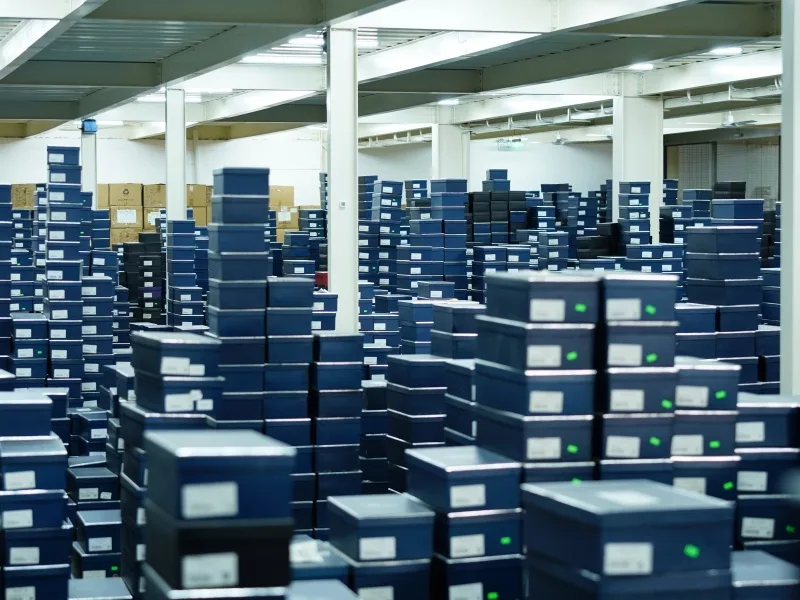
Material options may be sourced according to order requirements after confirmation. Identify required properties, color, surface, thickness or temper direction, component compatibility, source status, minimum constraints, and evidence still needed.
Hengxin supports patina color and finish development with controlled variation. Approve a range and application direction, not a promise that every hand-finished pair will be identical.
Review construction and fit
Hengxin supports Goodyear welted footwear. If proposed, define the complete stack, welt and stitch appearance, outsole, heel, edge, weight, flexibility expectations, and sample evidence. Do not rank it universally above other constructions.
Identify the intended last, fit target, size and width plan, grading, pattern risks, and representative sizes. A visually attractive concept is not ready until the fit and component system can be evaluated.
Expose commercial assumptions
MOQ depends on design, materials, construction, colors, sizes, branding, and packaging. Lead time depends on input completeness, samples, tooling, source readiness, quantity, and scheduling.
Record which assumptions are confirmed, provisional, or blocking. An option that relies on unavailable hardware or an unknown material minimum should not be presented as production-ready.
Compare options on a normalized basis. One concept may include custom tooling, special packaging, or a low-volume color split while another uses available components. State what is included, excluded, buyer-supplied, or provisional before comparing indicative cost and timing.
Keep feasibility and quotation versions linked to the concept version. When a design changes, ask which prior assumptions remain valid. Otherwise, an early indicative figure can be mistaken for a quote on the final product.
6. Convert Options into Sample Decisions
Sampling should progressively replace broad design choices with approved references.
Set gates by uncertainty
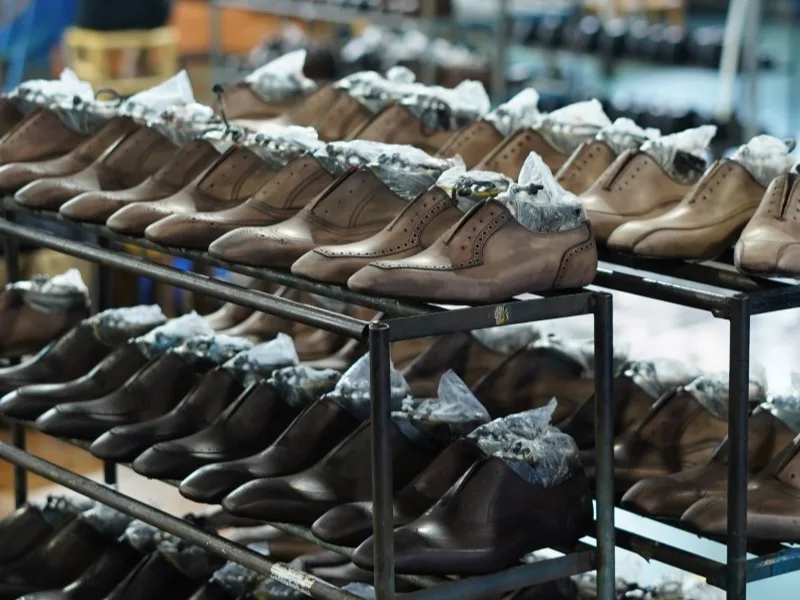
Possible gates include silhouette and last, fit and pattern, construction, materials and color, components, branding, representative sizes, packaging, and pre-production confirmation. Sequence them according to the largest unresolved risk.
Label each sample with concept, version, last, pattern, size, material, construction, components, date, and change list. Record the purpose, evidence, decision, approver, and affected files.
Avoid uncontrolled hybrid concepts
Combining the toe from one option, upper from another, and bottom from a third creates a new concept that requires feasibility review. Do not assume approved parts automatically form an approved whole.
Consolidate comments from design, merchandising, sourcing, and management. Resolve conflicts before sending instructions. Use precise changes tied to a line, dimension, material, component, or function.
Maintain a sample decision log with the question, evidence, options, decision, owner, date, and affected documents. If feedback arrives asynchronously, the log shows whether a later message changes an approval or merely adds context.
For fit observations, record wearer or method, size, socks, activity, and exact zone. ODM exploration does not justify a universal comfort claim. Representative-size checks should be added when grading, component availability, or proportions create risk beyond the development size.
7. Hand the Approved Concept into Production Control
The ODM phase should end with a product that production teams can identify and reproduce.
Build the specification package
Create drawings, last and pattern identifiers, graded sizes, measurements, bill of materials, component maps, construction details, color and finish references, artwork, packaging, quality criteria, and a controlled master sample.
Assign versions, dates, applicability, and owners. Reconcile the physical sample with the documents; if the sample reflects an intentional change, update the files before release.
Create a handoff review between development and production. Walk through the reasons behind critical choices, not only the final files: which dimensions protect the silhouette, which material properties affect fit, which component is restricted, and which variation range was approved.
The production team should acknowledge receipt of active references and identify any process risk that was not visible during sample making. Close those issues before release or record a controlled condition with an owner and due date.
Establish the release and change process
Hold a pre-production review with one release index. Confirm active versions, open items, commercial basis, quality checkpoints, responsibilities, and authorization to proceed.
For later changes, record trigger, affected styles and sizes, current and proposed references, evidence, revalidation, cost and timing effect, and approval. Sending a new file is not proof that it was implemented.
Use production evidence to check materials, components, patterns, stitching, reinforcement, lasting, construction, symmetry, measurements, outsole, heel, finish, branding, and packaging at suitable stages.
Every finished pair undergoes final inspection before packing. This is not a zero-defect or launch-success guarantee. Earlier controls protect requirements that cannot be verified or corrected at the end.
Часто задаваемые вопросы
What does ODM mean for dress shoes?
It describes manufacturer-supported design or product development before the final manufacturing specification is complete. The exact scope should be documented.
How is ODM different from OEM?
ODM includes more concept and option development. OEM emphasizes execution of buyer-controlled requirements. A controlled project may use both phases.
Who owns an ODM design?
Ownership and permitted use depend on sources, existing rights, tooling, project work, and contract terms. Do not assume automatic transfer; document it.
What affects ODM MOQ?
Selected design, materials, construction, colors, sizes, custom components, branding, packaging, and production setup affect feasibility.
How is ODM timing confirmed?
Confirm timing after the brief, option decisions, samples, tooling, materials, components, quantity, and scheduling are reviewed.
9. Share a Focused Design Brief
An ODM dress shoes manufacturer in China should help a brand turn market intent into a traceable, ownable, feasible, and approved product. Large style counts or unsupported rankings are not evidence of a controlled development process.
Share the customer, market, category, brand codes, fit and size direction, construction preferences, target assortment, references, branding, packaging, quantity profile, destination, schedule target, and design boundaries. Hengxin can then propose a focused development route and identify evidence, decisions, and sample needs.