Нажмите, чтобы развернуть оглавление
Содержание
A startup should choose a shoe manufacturer by limiting first-order complexity, protecting cash for samples and verification, defining a testable specification, and releasing production only when product, quality, commercial, and delivery assumptions are documented. Dress Shoe Factory is the market-facing brand of Hengxin Shoe Factory, a premium men’s dress-shoe specialist that supports private-label, OEM, and ODM development.
The goal of a first order is not maximum assortment. It is a controlled product and a learning loop the brand can afford. No manufacturer can guarantee sales, margin, crowdfunding, fundraising, or launch success.
1. Define What the First Order Must Prove
A clear learning goal helps the startup spend limited attention and cash on the decisions that matter most.
Write the first-order hypothesis
State the target customer, use occasion, product category, price position, channel, fit direction, size range, brand proposition, and the evidence the first order should create.
Separate product questions from market questions. A manufacturer can help develop and produce the shoe, but it does not validate demand, pricing, or the brand’s sales plan.
Rank risks
List uncertainty and impact for fit, design, materials, construction, branding, compliance, quality, cash, timing, logistics, and demand. Prioritize items that can make the product unusable or the order unaffordable.
Assign an owner and evidence for each high-risk item. Avoid spending early budget on decorative options while fit, component availability, or destination requirements remain unresolved.
Use a simple impact-and-uncertainty matrix. A high-impact fit question with little evidence should receive earlier samples than a low-impact package color preference. Record the planned evidence, cost, decision date, and fallback for each priority risk.
Set stop conditions before money is committed. Examples include an unresolved legal right, a fit target that cannot be validated, a critical component without a viable source, or a commercial basis outside the brand’s approved cash limit. The exact thresholds belong to the startup.
2. Limit Assortment Complexity
Every additional style, color, material, outsole, width, size, logo method, or package adds combinations and decisions.
Build a focused range
Choose a core category and a small number of variants that share a coherent customer and technical platform. Hengxin’s scope includes Oxford and Derby shoes, monk straps, loafers, dress boots, dress sneakers, driving shoes, and casual loafers.
This does not mean one style is always correct. The startup should model how each added variable affects samples, components, inventory, inspection, photography, content, and cash.
Reuse platforms deliberately
Shared lasts, materials, outsoles, heels, components, or packaging can reduce complexity if they fit the product. Do not force sharing when it harms fit, silhouette, function, or positioning.
Map dependencies across sizes and styles. A common component change can affect the entire order, while one unique detail may carry its own tooling or source constraint.
Create an assortment complexity table that counts unique lasts, patterns, materials, colors, outsoles, heels, hardware, branding methods, boxes, and size-width combinations. The purpose is not to force the count to one; it is to see where operational work and inventory multiply.
For every added variant, ask what customer hypothesis it tests and which additional evidence it requires. If two colors or styles answer the same question, the startup can decide whether both deserve first-order cash.
3. Prepare a Testable Brief
A startup does not need to know every answer on day one, but it needs a visible gap list and decision process.
Define product inputs
Include customer and market, category, reference, fit and size direction, construction, materials, components, colors, finish, branding, packaging, quantity profile, destination, and schedule target.
Mark each item approved, provisional, open for proposal, or missing. Explain what references communicate and do not ask for an unlicensed copy.
Set customization boundaries
Classify elements as existing option, modification, project-specific development, or buyer-supplied. A custom last, outsole, hardware, leather, or package may create tooling, minimum, sample, and timing dependencies.
Сайт custom dress shoe manufacturer for brands page provides a deeper input-completeness and freeze method.
4. Protect an Evidence Budget
Samples, testing, inspection, and professional advice are not overhead to remove blindly; they reduce specific risks.
Allocate by risk
Plan for product and fit samples, material or color approvals, representative sizes, branding and packaging checks, destination-market advice or tests where required, and order inspection appropriate to risk.
Ask what each activity will prove, its limitation, and the decision it supports. A sample photograph cannot reliably prove color, fit, internal construction, or long-term performance.
Use decision-based sample gates
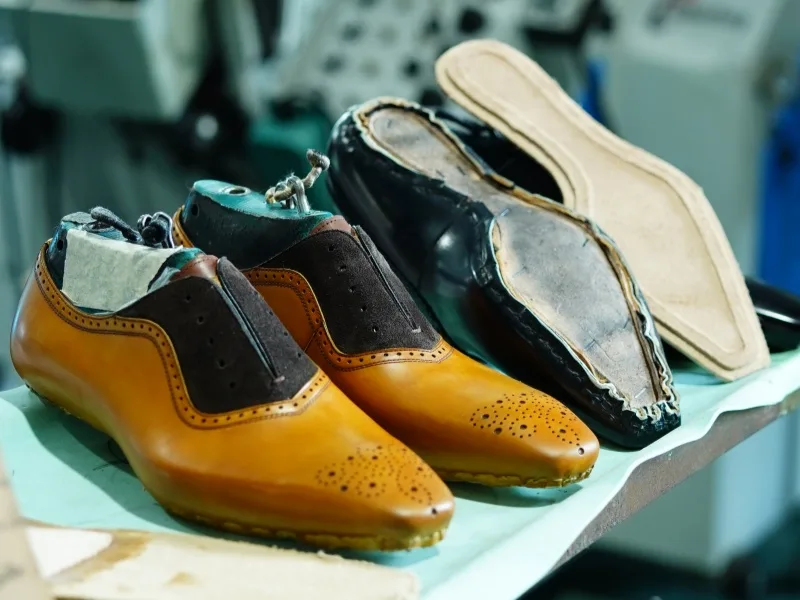
Set gates for silhouette and last, fit and pattern, construction, materials and color, branding, representative sizes, packaging, and pre-production confirmation as needed.
Label every sample with version, inputs, date, change list, purpose, and outcome. Consolidate founder, designer, and adviser comments before giving the factory instructions.
Set a review calendar with responsible approvers and response windows. Delayed or fragmented feedback can consume schedule without improving the shoe. One person should consolidate instructions, while specialists retain authority for fit, brand, compliance, or commercial decisions as assigned.
Preserve a controlled master and the active specification. Photos and video help remote communication, but they do not replace color standards, measurements, material references, or an identified physical sample when those are required.
5. Map Cash and Commitment
The startup should know when money becomes committed and which decisions can trigger additional cost.
Build a cash timeline
List development samples, shipping, tooling, custom components, testing, professional advice, deposits, balance payments, inspection, freight, duties and taxes where applicable, insurance, storage, and contingency.
Confirm which amounts are refundable, credited, provisional, or tied to a specific scope. Use current professional advice for legal, tax, customs, and regulatory matters.
Separate product cost from cash timing. A reasonable unit price can still create strain if tooling, materials, deposits, freight, duties, or inventory payments occur before customer receipts. Model the required cash by milestone and include a contingency approved by the founders.
Avoid funding the order with assumptions that depend on a guaranteed production date or sales result. Use scenario ranges for sample iterations, schedule changes, freight, and sell-through, then decide what exposure the startup can accept.
Confirm commercial variables carefully. MOQ depends on design, materials, construction, colors, sizes, branding, and packaging. Lead time depends on input completeness, samples, tooling, material and component readiness, quantity, and scheduling.
Ask about change triggers, payment beneficiary, delivery terms, quotation validity, exclusions, and destination documents. Verify the legal contracting entity rather than assuming the market-facing brand is the counterparty.
6. Release Production with Explicit Criteria
Enthusiasm, a launch date, or sunk sample cost should not replace a release review.
Reconcile the package
Confirm master sample, specification, last and pattern, size range, bill of materials, components, measurements, color standard, artwork, packaging, quality plan, quotation, order terms, destination inputs, and approvals.
Mark obsolete files and list open items. State whether each open item blocks production or permits only limited preparatory work.
Hold a pre-production review where development, sourcing, production, and quality confirm the same versions. Ask the factory team to explain critical requirements back to the buyer, including fit, sensitive materials, branding, allowed variation, and escalation points.
Record authorization, attendees, open items, owners, due dates, and any conditional work. A deposit or approaching marketing date should not be treated as technical release.
Define quality and response
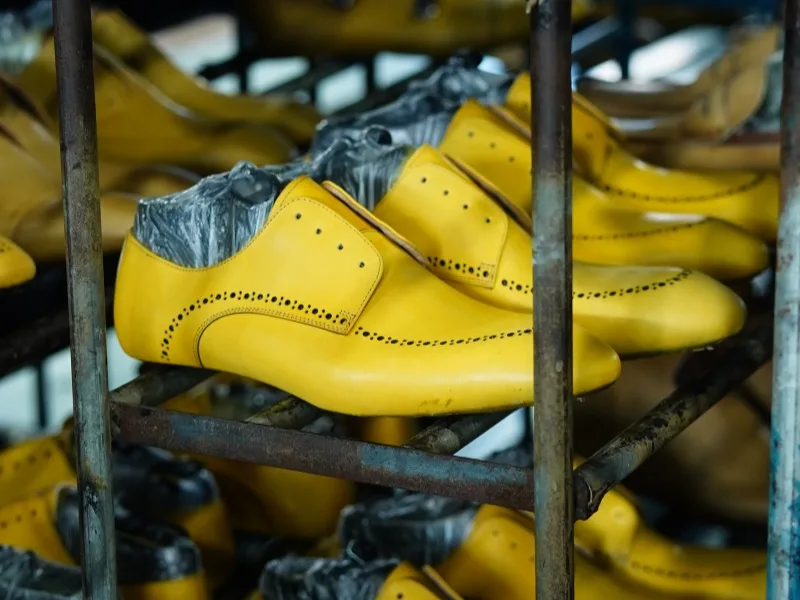
Check materials, components, stitching, reinforcement, lasting, construction, symmetry, measurements, outsole, heel, finish, branding, and packaging at appropriate stages.
Every finished pair undergoes final inspection before packing. That is not a zero-defect or sales-success guarantee. Define issue segregation, correction, recheck, and release authority.
After the order, preserve the learning loop by comparing assumptions with actual development changes, defects, timing, logistics, customer feedback, size issues, and inventory. Separate product evidence from anecdotal comments.
Use the findings to revise the brief, fit standard, assortment, quality plan, and commercial model before a reorder. A first order creates value when its records improve the next decision.
7. Frequently Asked Questions
Should a startup launch many shoe styles?
Usually, a focused first range is easier to validate and control. The right scope depends on customer, channel, technical platform, cash, and learning goals.
Can a manufacturer guarantee sales?
No. Manufacturing evidence addresses product and process questions, not demand, pricing, marketing, or sales execution.
How much customization is practical?
Prioritize details that matter to fit, product value, and brand identity. Map tooling, samples, source constraints, cash, and timing before approval.
Что влияет на минимальный объем заказа?
Design, materials, construction, colors, sizes, branding, packaging, and components affect feasibility. Confirm it for the defined first order.
What affects timing?
Input readiness, decisions, samples, tooling, materials, components, quantity, destination needs, and scheduling affect timing.
8. Request a First-Order Review
Base every commitment on a current document, named owner, affordable scenario, and explicit decision rule.
A shoe manufacturer for startup brands should provide relevant capability and a controlled development route. The startup should bring a focused customer hypothesis, decision discipline, evidence budget, and realistic release criteria.
Send the target customer, first-order hypothesis, product reference, fit and size direction, required custom elements, construction, materials, branding, packaging, quantity profile, destination, budget constraints, and schedule target. Hengxin can identify open risks, relevant evidence, sample gates, and the project-specific quotation basis.