Introduzione: Il valore dell’artigianato nelle calzature da uomo
Noi di DressShoeFactory crediamo che una scarpa di ottima fattura sia un investimento — non solo in termini di stile, ma anche di comfort, durata e reputazione. Realizzati per durare nel tempo: uno sguardo al processo di produzione delle calzature Premium Scarpe eleganti in pelle È più di un semplice titolo: è la nostra promessa. Vi guideremo alla scoperta dei materiali, delle scelte di design, delle tecniche di costruzione (sì, proprio la cucitura Goodyear) e dei tocchi finali che trasformano pelle e filo in scarpe che le persone sono orgogliose di indossare. Sorprendente, vero? Sono proprio le piccole decisioni — il sughero nel plantare, una forma modellata con cura, una lucidatura a mano a strati — a far sì che un paio di scarpe invecchi come una bella storia.
Siamo consapevoli della tensione esistente tra il fast fashion e l’artigianato tradizionale. È possibile acquistare un paio di scarpe a buon mercato in pochi minuti; non è invece possibile ottenere in pochi minuti decenni di durata e una patina maturata nel tempo. Se apprezzi la qualità e cerchi un produttore che coniughi la produzione su larga scala con le tecniche artigianali, l’approccio di Hengxin alla costruzione Goodyear e alla patina dipinta a mano offre vantaggi concreti sia per i marchi che per chi indossa le scarpe.
La fondazione: la scelta dei materiali giusti
La pelle pieno fiore come punto di riferimento del settore
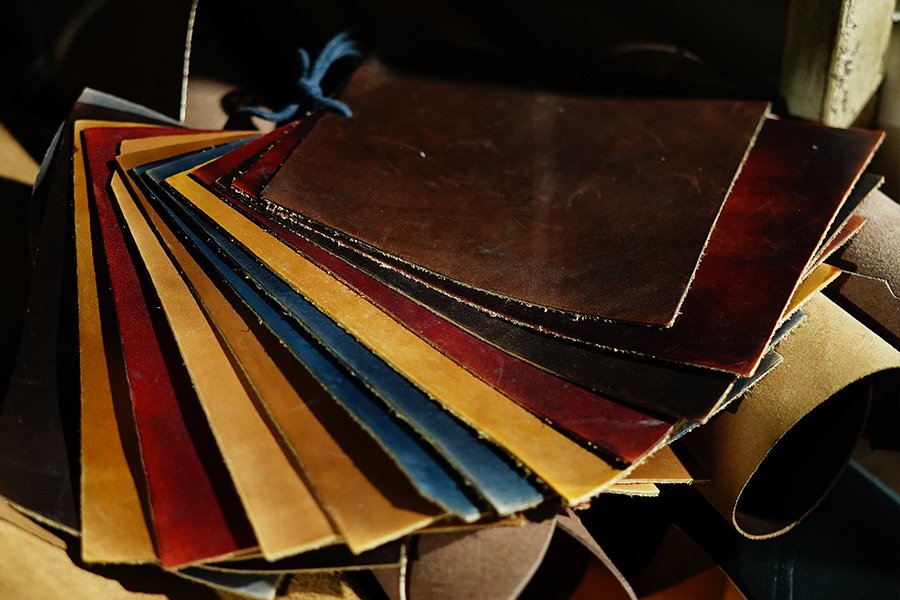
Pelle pieno fiore È da qui che partiamo per le nostre linee premium. Questo tipo di lavorazione conserva l’intero strato esterno della grana della pelle, che garantisce resistenza, traspirabilità e la capacità di sviluppare una patina naturale con l’uso. È proprio quella grana naturale — non levigata né corretta — a rendere la pelle resistente e ricca di carattere nel tempo.
Perché scegliamo la pelle pieno fiore:
- Resistenza: le fibre più resistenti rimangono intatte.
- Traspirabilità: migliore scambio di umidità rispetto alle pelli trattate.
- Potenziale di patina: con l'usura acquista una profondità accattivante.
Tabella di riferimento rapido — le classi di pelle in sintesi
| Voto | Uso tipico | Longevità | Il migliore per |
| A grana intera | Abito e stivali di alta qualità | Molto alto | Scarpe eleganti che invecchiano |
| In pelle di prima scelta | Fascia medio-alta | Alto | Finiture levigate, meno imperfezioni |
| Corretto/suddivisione in grani | Budget e moda | Moderato | Aspetto uniforme, meno personalità |
(Consigliamo la pelle pieno fiore per qualsiasi Scarpa da abito con tacco Goodyear (pensato per durare anni.)
Componenti interni che determinano il comfort e la stabilità
La pelle visibile è solo metà della storia. All’interno della scarpa, diversi strati e componenti garantiscono vestibilità, sostegno e comfort a lungo termine:
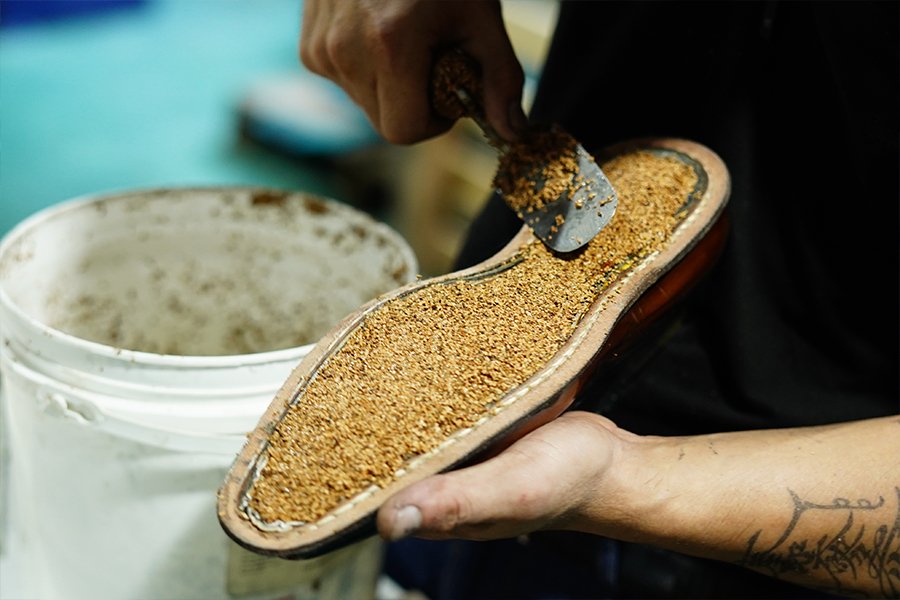
- Riempimento con sughero — Si adatta alla forma del piede, garantendo ammortizzazione e isolamento termico. Nel corso dei mesi, il sughero si compatta fino a formare un plantare su misura che migliora la vestibilità.
- Gambo — un inserto semirigido sotto l'arco plantare per garantire sostegno torsionale; in acciaio o in materiale composito, a seconda delle esigenze di peso e flessibilità.
- Fodere e solette — Le fodere traspiranti sul polpaccio e una soletta in pelle a trama fitta o in materiale composito garantiscono sostegno senza rinunciare al comfort.
Lista di controllo dei componenti (come definiamo le specifiche per le scarpe eleganti di alta gamma):
- Tomaia in pelle pieno fiore italiana/francese.
- Soletta in pelle con canalina completa per la cucitura del guardolo (il nostro standard).
- Imbottitura centrale in sughero, modellata sulla forma della scarpa.
- Gambo in acciaio o in materiale composito (a seconda del modello).
- Suole in cuoio o in cuoio e gomma, tacchi in cuoio stratificato.
Dallo schizzo alla forma: progettazione e realizzazione
Sviluppare l'ultimo
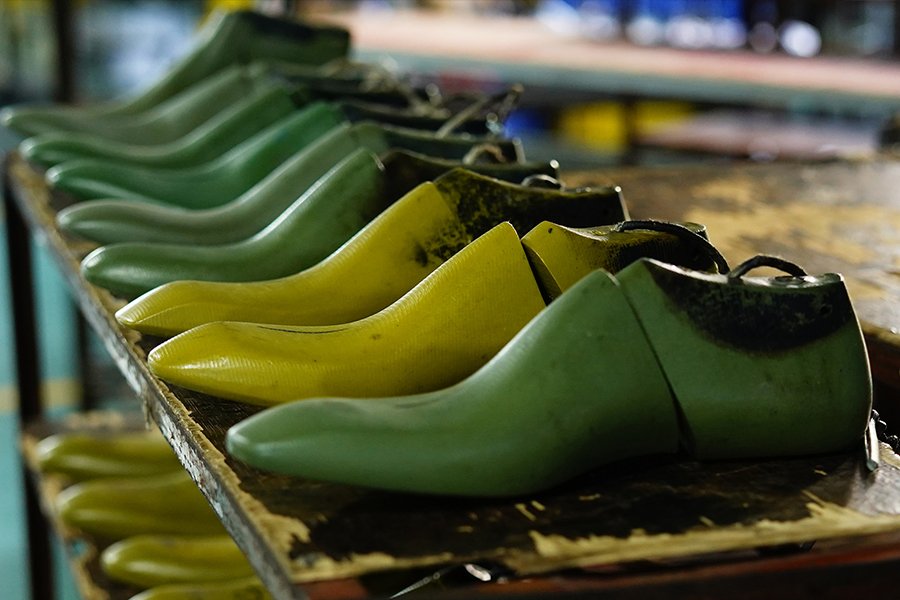
Ti sei mai chiesto perché due scarpe apparentemente identiche possano risultare così diverse al piede? La risposta è l'ultimo — la forma tridimensionale che determina la calzata, la forma della punta e l’equilibrio. Le forme vengono misurate e prototipate per valutare il collo del piede, la coppa del tallone, l’inclinazione della punta e altro ancora; la forma giusta è il fattore determinante per il vero comfort di una scarpa. Realizziamo prototipi delle forme sia in CAD che con campioni fisici, per poi perfezionarli attraverso test di usura.
Forme: confronto rapido
| Ultimo tipo | Personaggio | Usi consigliati |
| Oxford last | Narrower, elegant toe | Formal Oxfords |
| Derby last | Roomier instep | Versatile / casual formal |
| Loafer last | Lower instep, flexible | Slip-ons & casual dress |
| Monk last | Slightly square toe | Scarpe eleganti all’ultima moda |
Pattern Engineering and Cutting
Patterns are where aesthetic intention meets mechanical reality. We design for where leather will stretch, where seams will be under tension, and where reinforcement is required. Manual cutting remains important for small runs and special finishes; digital cutters help when precision at scale is needed.
Pattern engineering table — common decisions
| Design goal | Pattern choice | Perché |
| Minimize stress at vamp | Longer vamp, reinforced quarters | Less stitching strain |
| Elegant toe profile | Narrow toe pattern + careful last selection | Shapes silhouette |
| Ease of resoling | Maintain full Goodyear channel | Facilitates repairability |
Assembling with Structure
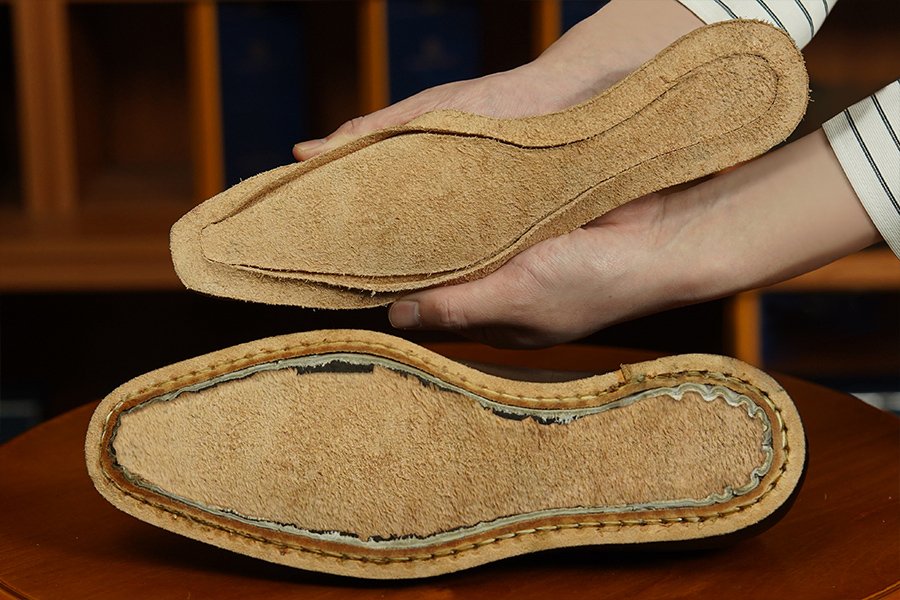
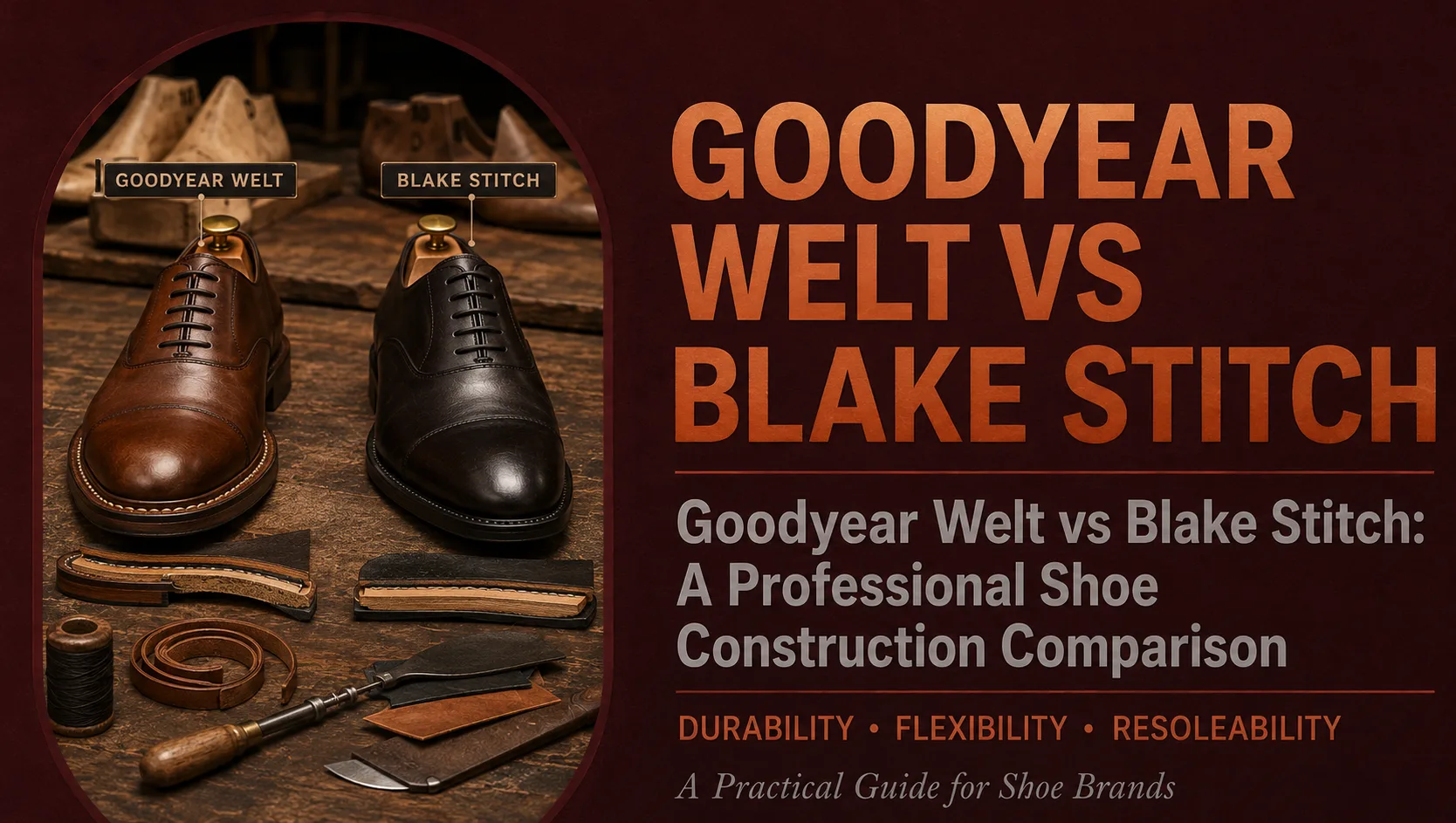
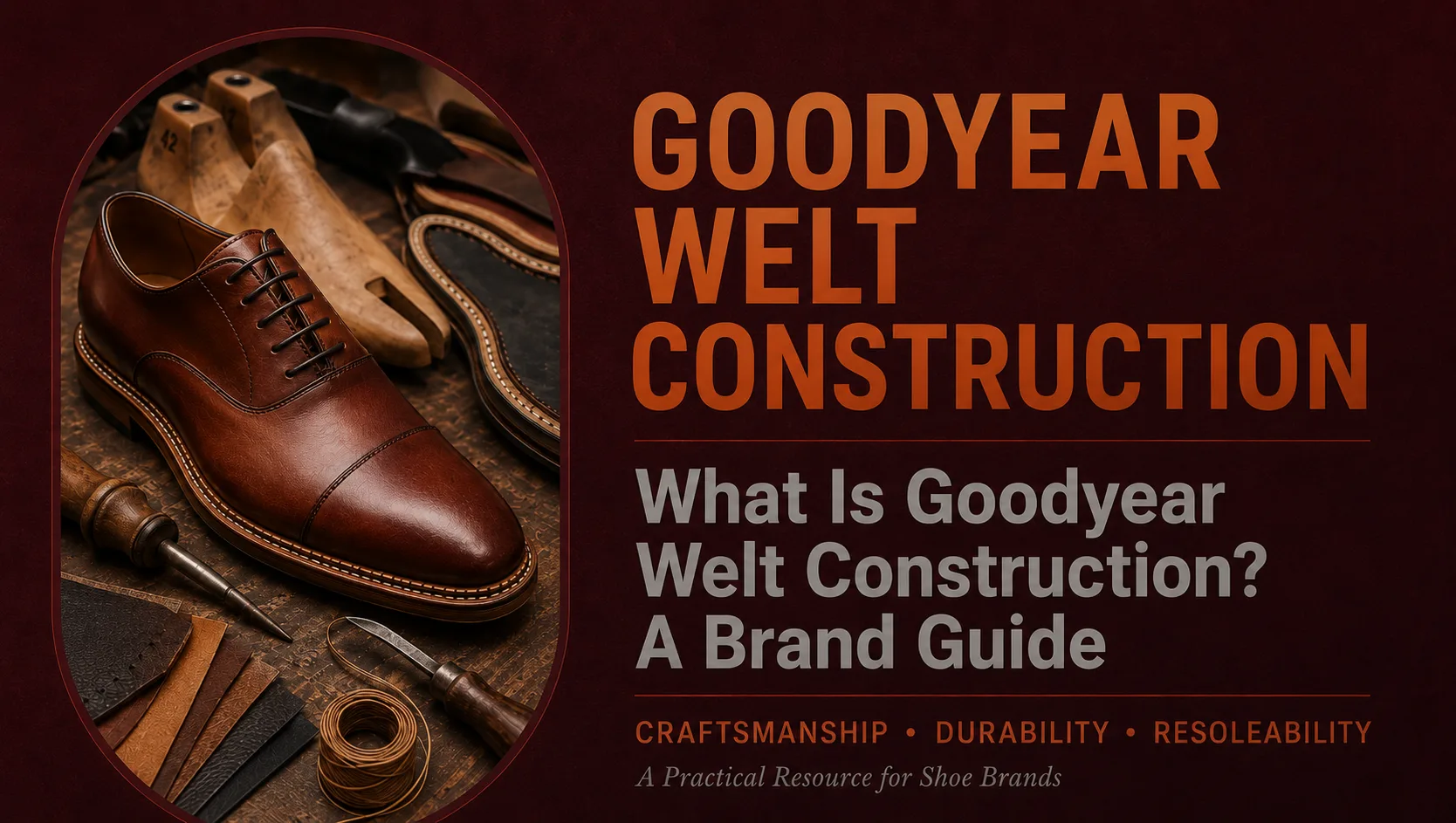
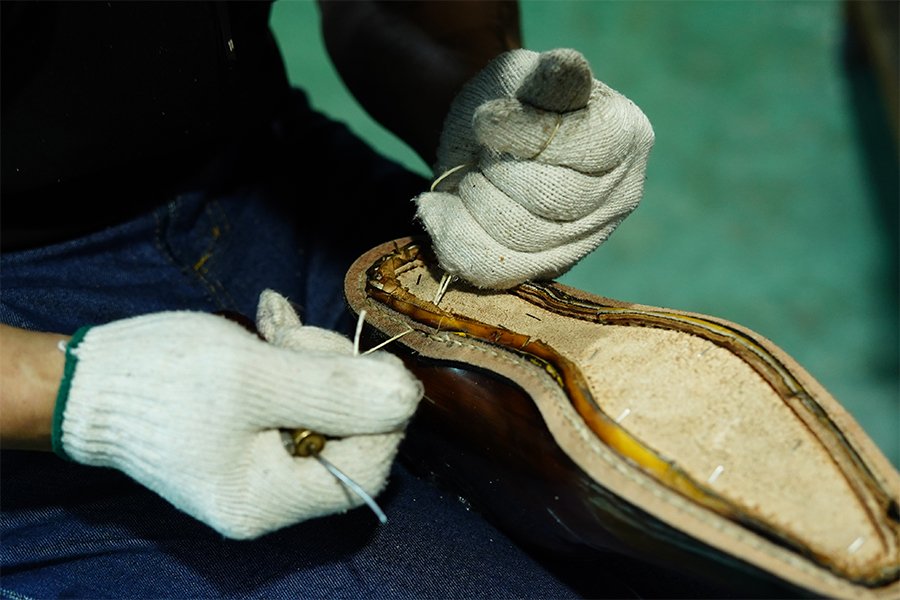
We use Goodyear welt construction across our premium lines — the method that makes resoling practical and predictable. But Hengxin has evolved that technique. Their 360° Channeling Insole welt — also described internally as “360° Goodyear Perseverance” — changes how the welt interacts with the insole and upper, creating measurable benefits:
- Leather channeling & suspension-bridge effect: In Hengxin’s approach the welt is stitched to a leather channel in the insole (a 360° channeling insole), which distributes tension and acts like a tiny suspension bridge across the bottom of the shoe. That improves flexibility while maintaining structure, so the shoe moves more naturally with the foot.
- Whole-day comfort & shorter break-in: The thicker, channelled insole adds stability and a controlled compressibility for the cork fill, which shortens the break-in period and gives more immediate comfort on first wear. This is a practical advantage for customers who need premium shoes that perform from day one.
- Sharper feather edge & cleaner silhouette: By stitching the welt to the insole sidewall rather than below the insole (as in many standard Goodyear constructions), Hengxin produces a crisper sole edge and a sleeker profile without sacrificing the Goodyear strength. This gives your brand a higher-end visual language while retaining serviceability.
- No seat piece & easier resoling: The 360° channeling sits flatter on the insole and avoids a traditional seat piece; that keeps the upper intact in the seat area and simplifies resoling with less disturbance to the upper — an advantage for warranty repairs and aftercare economics.
Construction process (numbered steps):
- Material selection (leather, lining, insole).
- Manual cutting & skiving.
- Assembling the upper, lasting over the last.
- Hand-drawing and stitching the welt into the 360° insole channel.
- Cork filling and contouring for the footbed.
- Outsole attachment and heel assembly.
- Sole edge finishing, burnishing, and polish.
The result is a Goodyear-welted shoe with clearer edges, better early comfort, and resoling simplicity — benefits that add up over the product lifecycle for both retailers and end customers.
Finishing and Inspection: Details That Define Excellence
Surface Finishing and Hand-Polishing
The difference between an OK shoe and a showstopper often lives in finishing. Techniques like burnishing, waxing, and layered color application create depth and visual life in leather. But Hengxin’s patina work is a level above what standardized factory dye houses produce.
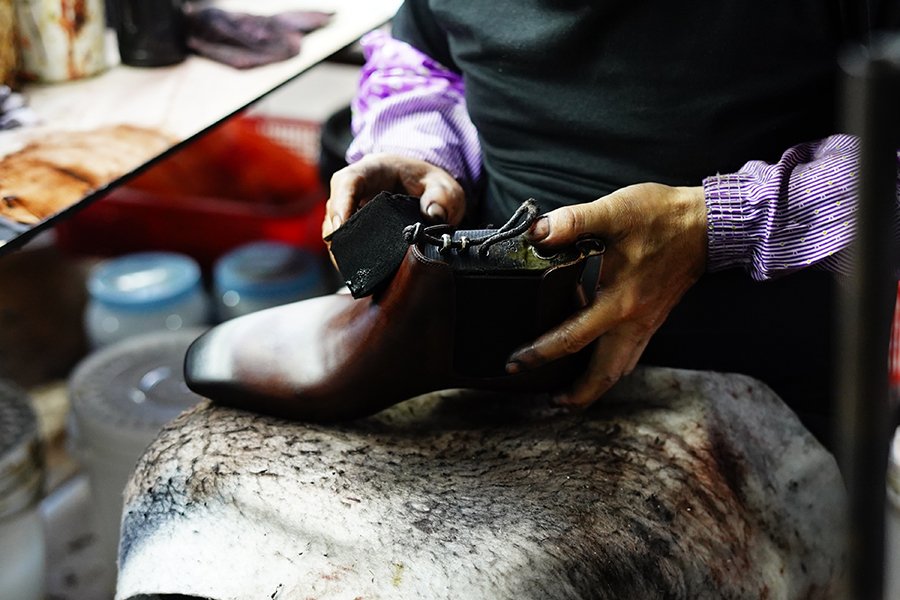
How Hengxin’s hand-painted patina differs from other manufacturers
- Artisan layering vs. single-pass finishing: Rather than spraying or dip-dying a uniform tone, Hengxin applies multiple hand-painted layers (brushed, washed, or pointillist techniques) to build depth slowly. This creates tonal complexity that changes interestingly with light.
- Localized modulation & accents: Skilled artisans selectively accent highs and lows — toe, quartes, vamp — to create subtle contrast and a “living” finish that evolves over time. Mass producers often aim for uniformity; Hengxin aims for character.
- Multiple stylistic methods: Their patina arsenal includes brushed patina, washed patina, and pointillist patina, each producing different aesthetic effects — from soft gradients to speckled depth — rather than a one-size-fits-all color.
- Precision and consistency at scale: While patina is an artisanal skill, Hengxin emphasizes processes and QC that ensure each pair meets a benchmark of tonal balance so that a bespoke look remains consistent across a production run. That positions their hand-painted patina between bespoke atelier finish and reproducible factory output.
Finishing checklist (typical multi-stage finish):
- Base dye + drying
- Layered color glazing / hand-painted passes (brushed/washed/pointillist).
- Edge sealing & burnishing
- Cream & wax polish pass
- Final aesthetic inspection
A small joke: if shoes could talk, they’d ask for a little cream now and then — and for a tasteful patina, the artist’s hand does most of the talking.
Quality Control and Testing
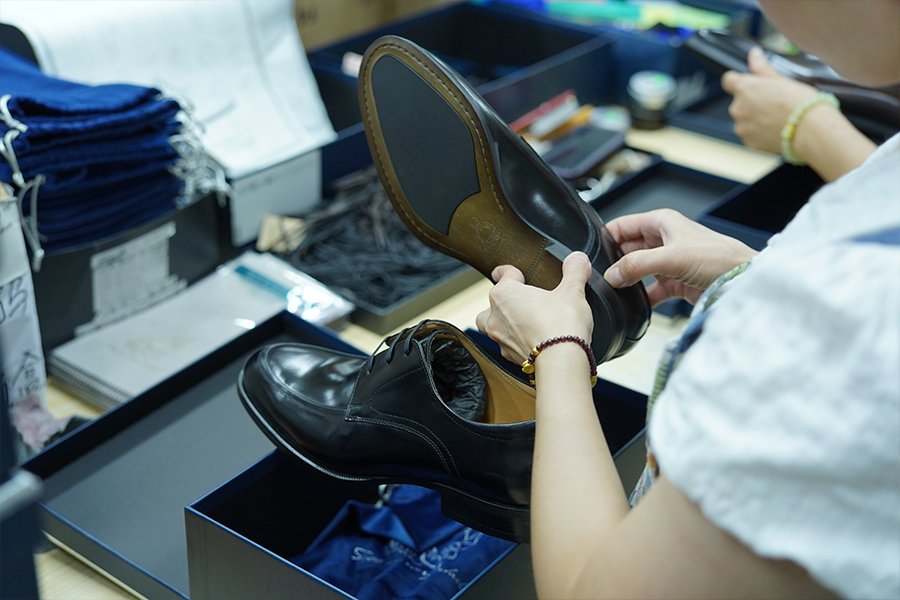
We run multi-stage inspections: fit checks, seam tensile tests, visual inspection for even patina and consistent edge finishing, and wear simulation where appropriate. For Hengxin’s 360° Goodyear channeling models, QC includes checking channel integrity, welt stitch density, and cork compression behavior after accelerated wear cycles. These steps make sure the innovations (comfort, resoling ease, sharper edges) perform in production — not just on paper.
QC steps (high level):
- In-process inspection at lasting & welt.
- Post-sole stitching inspection (stitch density, evenness).
Final aesthetic inspection (color, burnish, edge finish). - Pack & ship checklist to ensure safe transit.
Presentation and Packaging
Packaging should protect and present. Each pair gets tissue, a dust bag, and supportive packing. The unboxing is part of the product story — a small moment where quality confirms itself.
Why the Process Matters
A well-made shoe is not just a product — it’s a craft. Quality construction supports comfort, style, and longevity, while saving the wearer money (and wardrobe headaches) over time. A Goodyear-welted shoe with a well-executed insole channel and artisan patina costs more up front, yes; but resoling, repairability, and the evolving character of the leather deliver better lifetime value.
Manufacturers like Hengxin combine process innovation and handcraft so brands can offer premium Goodyear-welted footwear with hand-painted finishes that stand out in the market. Their 360° Channeling Insole welt improves comfort and resoling practicality, while their patina techniques deliver a look that mass-dyeing cannot match — a competitive differentiation for private-label or white-label partners.
Comparative table — quick lifecycle view
| Fattore | Mass cemented shoe | Premium 360° Goodyear + hand patina |
| Price (initial) | Basso | Più alto |
| Riparabilità | Basso | Alto |
| Comfort over time | Degrades | Improves (cork molds) |
| Visual evolution | Minimale | Develops rich patina |
| Brand differentiation | Limitato | Alto |
Balanced viewpoint: some modern constructions are lighter and cheaper to produce, and they suit certain price-sensitive markets. But for customers who value repairability, early comfort, and a distinct visual signature, the combination of Hengxin’s 360° Goodyear channeling and hand-painted patina is compelling.
FAQ
What is Goodyear welt construction, and why is it better?
A leather welt is sewn to the upper and insole rib, and the outsole is later stitched to that welt. Hengxin’s 360° Channeling Insole welt is a refined variant: the welt is stitched into a leather channel in the insole, producing improved flexibility (suspension-bridge effect), a sharper feather edge, shorter break-in, and easier resoling. That combination gives you durability plus a better early-wear experience.
What type of leather is best for formal shoes?
Full-grain leather is the gold standard for durability and patina potential; top-grain gives a smoother, more uniform appearance. We typically source premium hides and specify full-grain for dress lines that will be hand-finished.
What are the key components inside a quality dress shoe?
A leather upper, leather insole, cork filling, shank, and a welted outsole are core components. Each contributes to fit, comfort, and serviceability. Hengxin’s process emphasizes cork filling and a full insole channel for predictable results.
How is hand-painted patina different from other manufacturers?
Hand-painted patina uses skilled artisans applying multiple, localized layers and techniques (brushed, washed, pointillist) to build depth and tonal complexity. Mass finishes tend to aim for uniformity through automated spraying or dipping. Hengxin strikes a balance between atelier-level aesthetic and factory-scale consistency by combining handwork with process controls and QC.
What should I look for when buying well-made men’s shoes?
Look for full-grain leather, evidence of welt construction (or clear documentation of it), even stitching, a comfortable last, and the ability to resole. Ask about insole construction (cork fill and a full insole channel are positive signs) and about the factory’s patina and QC processes.
Final Thoughts & Call to Action
Finished with care, the shoes stood proud. If you value longevity, character, and the sensible economics of repair over replace — invest in craftsmanship. If you’re a brand or retailer looking to bring premium Goodyear-welted footwear with hand-painted patina to market, compare lasts, materials, and QC protocols before you sign on the dotted line. We’d love to show you how our 360° channeling Goodyear welt approach, refined cork filling, and artisan patina options can deliver exceptional product to your customers. Learn more about our Goodyear welt process and our patina options, or request a factory quote today.
A memorable final thought: quality is quiet work — but it’s the thing people notice without knowing why. Ready to make shoes that speak for themselves?