Click to Expand Table of Contents
Table of Contents
Make the Shoe Distributors vs Manufacturers Buyer Decision Explicit
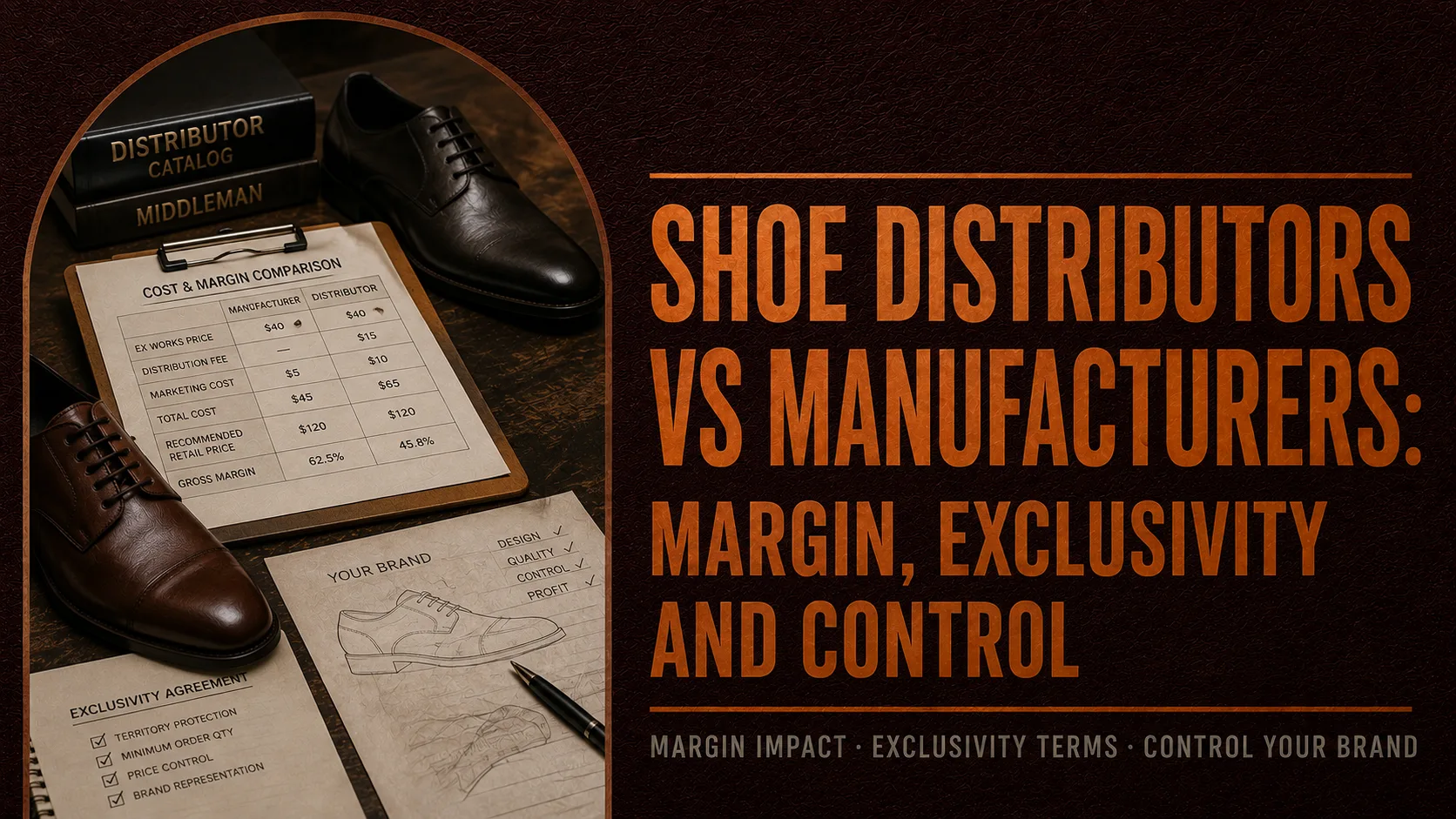
For B2B sourcing, shoe distributor vs manufacturer is not a request for a generic product description. The buyer needs a controlled decision about distributor-versus-manufacturer role matrix, exclusivity, information and approval rights, sampling, quality evidence and commercial release. The practical standard is whether the supplier and buyer can turn that decision into a released specification, an approved physical reference, traceable operating evidence and a quotation whose assumptions remain visible. If distributor-versus-manufacturer role matrix or exclusivity, information and approval rights is left vague, a visually acceptable sample can hide a weak production handoff.
This guide is written for importers, distributors, retailers and buying teams building commercially viable wholesale orders. The adjacent wholesale dress shoes provides the wider supplier framework, while dress shoe manufacturer selection guide supports the closest technical or commercial decision. Keeping those roles separate prevents one page from trying to rank suppliers, define every product and explain every production method at the same time.
- Define the buyer outcome and intended market for the shoe distributors vs manufacturers program.
- Assign ownership for distributor-versus-manufacturer role matrix before requesting a price.
- Record exclusivity, information and approval rights in the controlled specification and approval matrix.
- Use samples and evidence to test repeatability, not presentation quality alone.
- Normalize MOQ, one-time charges, unit cost, schedule and responsibility before award.
Write a Decision-Ready Shoe Distributors vs Manufacturers Brief
Distributor-Versus-Manufacturer Role Matrix
The first release gate is distributor-versus-manufacturer role matrix. The brief should explain the product or program role, user or channel, target price position, construction, materials, size range, colors, quantities, branding, packaging, sales market and requested launch window. Mark each input as fixed, supplier-proposed or buyer-to-confirm. That simple classification prevents a proposal from being treated as an approval and makes open development work visible in the quotation.
Add measurable acceptance language wherever the result affects fit, appearance, attachment, performance or assortment economics. A reference image can communicate direction, but it cannot replace dimensions, material identity, color tolerance, test method or a named decision owner. The supplier should return a question log and identify every assumption made to prepare its response.
Exclusivity, Information And Approval Rights
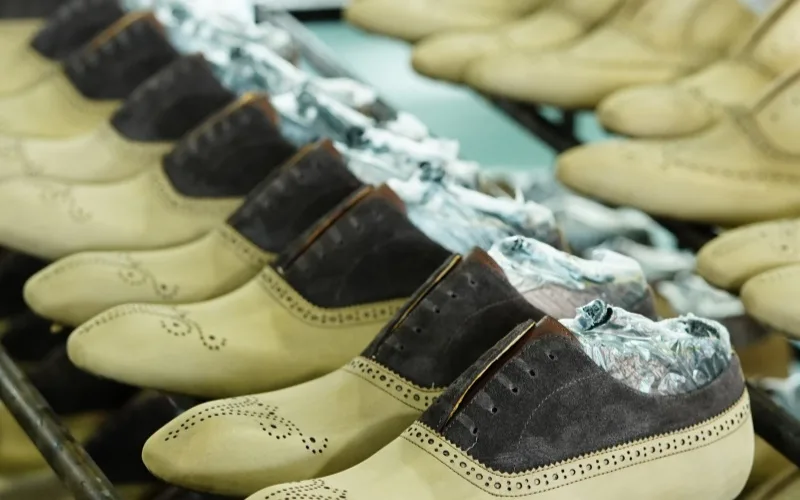
The second gate is exclusivity, information and approval rights. State who proposes, approves, purchases, stores, changes and releases the related input. Include version number, effective date and the effect of a change on materials, tooling, sample status, price and schedule. Where a distributor, agent or component supplier is involved, also document which party can bind the factory and which party holds the records.
Release fields for a shoe distributors vs manufacturers brief
| Decision field | Required input | Release evidence |
| Distributor-Versus-Manufacturer Role Matrix | Specification, owner and tolerance | Versioned brief and question log |
| Exclusivity, Information And Approval Rights | Authority, change rule and dependency | Approval matrix and revision history |
| Commercial scope | Quantity, sizes, colors, packing and trade term | Comparable quotation with exclusions |
| Quality release | Criteria, inspection point and escalation | Signed sample and inspection plan |
Engineer the Shoe Distributors vs Manufacturers Specification around Risk
Translate Distributor-Versus-Manufacturer Role Matrix into Measurable Requirements
Convert distributor-versus-manufacturer role matrix from a discussion topic into a list of values, ranges, references and methods. The right level of detail is the level at which two competent teams would reach the same acceptance decision. Separate nominal values from tolerances, and separate cosmetic expectations from functional limits. If a characteristic cannot yet be measured, identify the physical master and the controlled viewing or fitting condition.
The specification should follow interfaces. A change to an upper pattern can affect lasting and fit; a sole or welt change can affect bonding, stitching, edge finish and packing height; an assortment change can affect material minimums and residual stock. Mapping those interfaces makes downstream consequences visible before the sample is rebuilt.
Control Exclusivity, Information And Approval Rights across Versions
Every released file, sample and tool needs an identity that survives handoffs. Record the revision, owner, location and status, then link comments to the exact item reviewed. Do not allow email descriptions such as ‘use the last version’ to substitute for a controlled number. The production team must be able to identify the current baseline without asking the original developer to reconstruct the history.
- List the critical-to-quality characteristics and their acceptance method.
- Identify interfaces that can change fit, appearance, cost or schedule.
- Separate approved alternatives from unauthorized substitutions.
- Require a written impact review before any released input changes.
Use Shoe Distributors vs Manufacturers Sampling as a Production Handoff
Set the Purpose of Each Sample Round
A development sample should answer named questions rather than carry every decision at once. Early rounds may test geometry, fit or construction; later rounds should freeze material, color, branding, finish and packaging. For this program, the approval objective is to test sample access and change authority under each model. The comment sheet should distinguish defects, requested changes, optional improvements and unanswered questions because each category has a different commercial effect.
Review under defined conditions and measure the points that matter. Use the intended last or size basis, relevant lighting, paired-shoe comparison and the specified material reference. Photograph the approved details, record measurements and state which physical pair or signed digital file controls bulk. If the sample is conditional, list the conditions and prevent bulk release until they are closed.
Connect Revisions to Cost and Schedule
A revision can change tooling, material buying, production routing, yield, testing, unit cost and timing. Require an impact statement before implementation. If the buyer accepts the change, update the specification, bill of materials, sample record and quotation together. This discipline prevents a technically approved change from becoming a later price dispute or an undocumented production shortcut.
- Name the question and acceptance evidence for each sample round.
- Record measurements, materials, construction, color and finish together.
- Log the cost, tooling and schedule effect of every revision.
- Release bulk only against an identified controlling reference.
Build Shoe Distributors vs Manufacturers Quality Control and Evidence
Link Criteria to the Process Stage
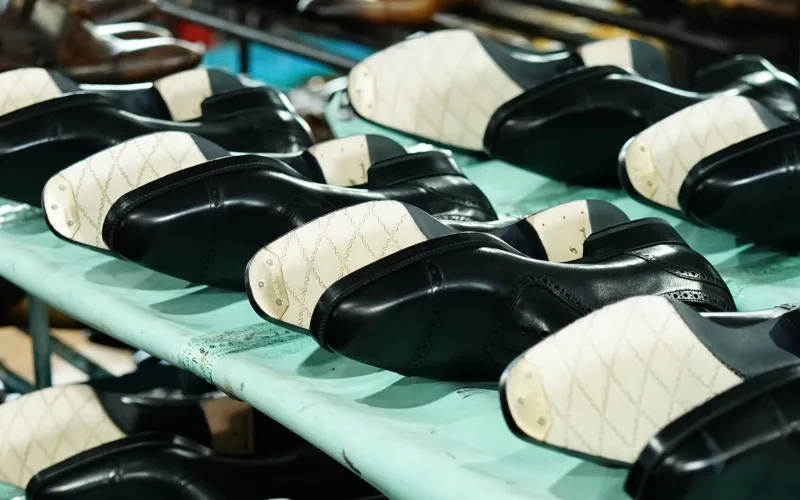
Quality control begins with the specification, not at final inspection. Place checks where a failure can still be prevented or corrected: incoming materials, cutting or preparation, assembly, construction, finishing, pairing and packing. For this page, the central control is to verify who holds factory evidence and corrective-action power. Define the sample size or coverage, measurement method, defect rule, record and authority to stop or release work.
Use cause-based categories. Material variation, dimensional error, fit imbalance, attachment failure, finish damage and packing error should not be collapsed into one generic defect count. Cause-based records help the buyer see whether the supplier is controlling the process or only sorting the result. They also make corrective action and future reorder decisions more useful.
Map Hengxin Claims to Order-Specific Proof
Hengxin evidence must stay within controlled wording and should be verified for the actual order. Hengxin’s approved positioning is specialization in premium men’s dress shoes, so the proposed program should remain within that supported category scope. Hengxin’s approved product scope includes Oxford, Derby, monk strap, loafer, dress boot, dress sneaker and driving-shoe programs when relevant to the buyer brief. Hengxin uses dependency-based MOQ wording: design, materials, construction, colors, sizes, branding and packaging all affect feasibility. Hengxin states that every finished pair undergoes final inspection before packing; buyers should still define criteria, scope, records and corrective action. These statements establish relevant context; they do not prove an unreviewed material, construction, capacity, MOQ or delivery promise. The buyer should request the current records that correspond to the released program.
Evidence is strongest when identity, date, product, quantity and result agree across documents and observations. Ask for the record that supports each material claim, note its limitation and define what must be refreshed before reorder. A polished catalogue or isolated certificate can support context but should not replace current production, quality and shipment evidence.
Evidence chain for shoe distributors vs manufacturers
| Control point | Evidence | Buyer decision |
| Specification | Released file, references and tolerances | Is the acceptance basis unambiguous? |
| Sample | Signed pair, comments and measurements | Did the sample answer its stated purpose? |
| Production | Work order, process checks and lot identity | Does the observed route match the quote? |
| Quality release | Inspection result and corrective action | Can packing be authorized with known residual risk? |
Normalize Shoe Distributors vs Manufacturers MOQ, Pricing and Schedule
Explain the Binding Minimum and Unit Economics
Treat MOQ as an outcome of constraints. Ask whether the binding event is material purchasing, color or size fragmentation, mold or tooling setup, skilled labor, line changeover, testing, branding, packaging or commercial policy. Then test alternatives one at a time. The correct commercial action for this program is to compare margin, service fee and control on one scope. A lower quantity is useful only if it still creates a coherent product and does not hide residual-material or repeat-setup costs.
A comparable quotation separates development, tooling, tests, packaging setup and other one-time charges from recurring unit cost. It states the exact specification, quantity, size-color mix, inspection scope, packing, trade term, validity and exclusions. For wholesale work, extend the bridge through freight, duty, clearance, finance, claims and markdown exposure. For supplier or process work, identify the responsible party for every excluded activity.
Verify Milestones and Available Capacity
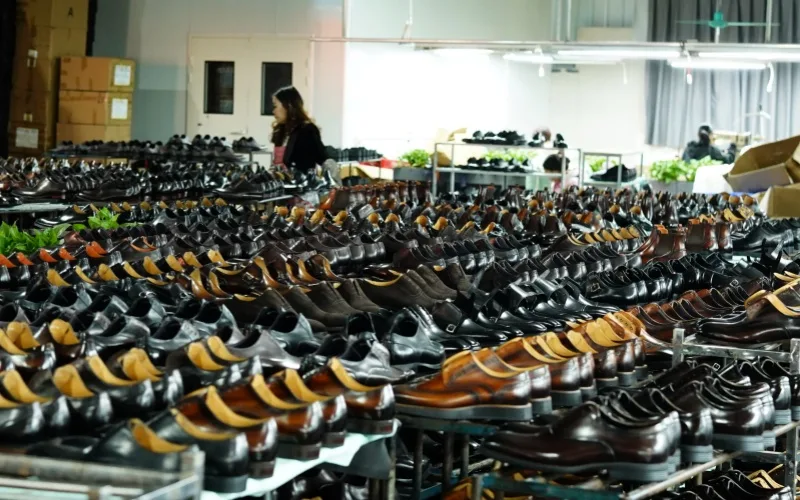
Lead time should be a sequence: brief acceptance, sample rounds, material readiness, tooling, production, inspection, packing and shipment release. Each milestone needs prerequisites and an owner. Capacity should be verified against the product route, current order mix, available slot and recent actual output. A broad daily figure cannot establish whether this exact program can enter the schedule.
Commercial normalization for shoe distributors vs manufacturers
| Field | Comparable assumption | Buyer check |
| MOQ | Binding material, setup, size, color or packing event | Can the constraint change without weakening the program? |
| Price | Same specification, quantity, scope and trade term | Are one-time charges separated? |
| Schedule | Approval, material, production and packing milestones | Are dependencies and owners stated? |
| Capacity | Relevant route, current load and available slot | Is evidence specific to the proposed order? |
Award and Control the Shoe Distributors vs Manufacturers Program
Use Conditional Approval and a Reorder Baseline
Score confirmed strength, manageable condition and unresolved risk separately. Give the greatest weight to factors that can stop launch or make the delivered product unsellable: specification control, fit or function, material feasibility, process evidence, quality responsibility, schedule and commercial accountability. A favorable unit price should not erase a missing owner, contradictory record or unclosed sample condition.
Conditional approval is appropriate when the supplier is suitable but a defined evidence item remains open. The award note should identify what is approved, what is prohibited, what must close before payment or bulk release and who can accept the evidence. After delivery, preserve the released specification, approved sample, lot records, inspection result, claims and corrective action as the reorder baseline.
- List every open condition with an owner and closure date.
- Reconfirm price and schedule after the final specification is released.
- Protect tools, files, materials and approval records needed for reorders.
- Record actual quality, delivery and commercial performance after receipt.
Before award, run a four-scenario review for the shoe distributors vs manufacturers program: a failed sample criterion, a material delay, a quantity change and a production-slot conflict. For each case, identify which specification or commercial record changes, who approves the response and what evidence closes the issue. This exposes control systems that work only when the original plan remains untouched.
Use a small decision log throughout the shoe distributors vs manufacturers project. Record the question, available evidence, selected option, rejected alternatives, owner and effective date. The log does not replace the specification; it explains why the specification changed and helps future teams avoid reopening settled assumptions without new evidence.
Frequently Asked Questions about Shoe Distributors vs Manufacturers
What should a buyer define before ordering shoe distributors vs manufacturers?
Define channel, customer, style roles, construction, materials, size-color plan, branding, packing, quantity, margin target and delivery market. The order should be commercially coherent before price negotiation.
How do factories calculate wholesale MOQ?
MOQ reflects the combined burden of materials, colors, size curves, tooling, setup and packaging. For this program, the buyer should compare margin, service fee and control on one scope and ask which constraint is binding.
How should size curves and assortment depth be planned?
Use channel and historical demand where available, then protect core sizes without creating unusable tails. Treat style, color and size as one allocation problem rather than three separate decisions.
What belongs in the landed-cost model?
Include product, development, tooling, packaging, inspection, inland handling, freight, insurance, duty, clearance, finance, claims allowance and markdown exposure. Apply the same Incoterm and scope to every comparison.
Is one sample enough for a wholesale order?
One display pair rarely tests a multi-SKU order. The approval plan should test sample access and change authority under each model and cover the variants that change fit, material, construction or customer-facing appearance.
What should inspection and packing controls cover?
The plan should verify who holds factory evidence and corrective-action power. It should also define SKU identity, size-color quantities, carton marks, packing method, sampling level, defect rules and release authority.
How should a wholesale supplier be verified?
Reconcile legal identity, factory relationship, current production, quality records, commercial authority and shipping evidence. A low quotation cannot compensate for an unclear responsible party.
Turn the Shoe Distributors vs Manufacturers Decision into a Factory Review
Send one decision-ready package: product or program role, released specifications, reference files, size and color plan, branding, packaging, quantities, sales market, target schedule, required evidence and quotation format. Ask the supplier to confirm feasibility, assumptions, exclusions, sample route and open questions in writing. This gives both parties a usable baseline for development, production and later reorder review.
For a Hengxin feasibility review, share the exact scope relevant to shoe distributor vs manufacturer. The response should stay project-specific and evidence-led, particularly for MOQ, timing, material sourcing and capacity. The goal is not a fast generic yes; it is a documented decision showing that distributor-versus-manufacturer role matrix, exclusivity, information and approval rights, quality release and commercial assumptions remain synchronized within the page boundary described above.