
Clicca per espandere l'indice
Indice
Convert the Commercial Brief into Release Gates
Footwear design and manufacturing succeeds when a commercial idea is converted into controlled engineering decisions before production commitments are made. B2B buyers should begin with the customer, channel, product role, target cost logic and fixed design intent, then assign ownership for the last, pattern, materials, components, construction, branding, packaging and acceptance criteria. Each prototype or sample needs one decision purpose, a version identity and a defined approval gate. Changes must update the technical files, bill of materials, sample reference, quotation and schedule together. Production release should occur only when manufacturability, materials, quality controls, tooling and open conditions are aligned. This page owns the full stage-gate handoff; specialist tech-pack, prototype and final-sample pages own their detailed methods.
N092 owns the end-to-end commercial-brief-to-production stage gate. N087 owns tech-pack fields, N088 owns prototype iteration, N089 owns final sample approval, and N004 owns manufacturer selection for original customization. Related guides: shoe factory capability verification; custom shoe manufacturer selection.
- Define the buyer outcome and intended market for the footwear design and manufacturing program.
- Assign ownership for commercial design brief and product requirements before requesting a price.
- Record design-to-engineering handoff and manufacturability review in the controlled specification and approval matrix.
- Usa campioni ed evidenze per testare la ripetibilità, non solo la qualità di presentazione.
- Normalizza MOQ, costi una tantum, costo unitario, tempi e responsabilità prima dell'assegnazione.
Separate Commercial Intent from Engineering Decisions
Define What the Product Must Achieve
The commercial brief should name the customer, use case, channel, price position, range role, destination market and launch window. Mark non-negotiable design cues separately from open technical choices. A reference image can communicate direction, but it cannot decide fit, materials, construction, tolerances or production methods. The supplier should return feasibility questions and alternative routes before those open choices enter a quotation.
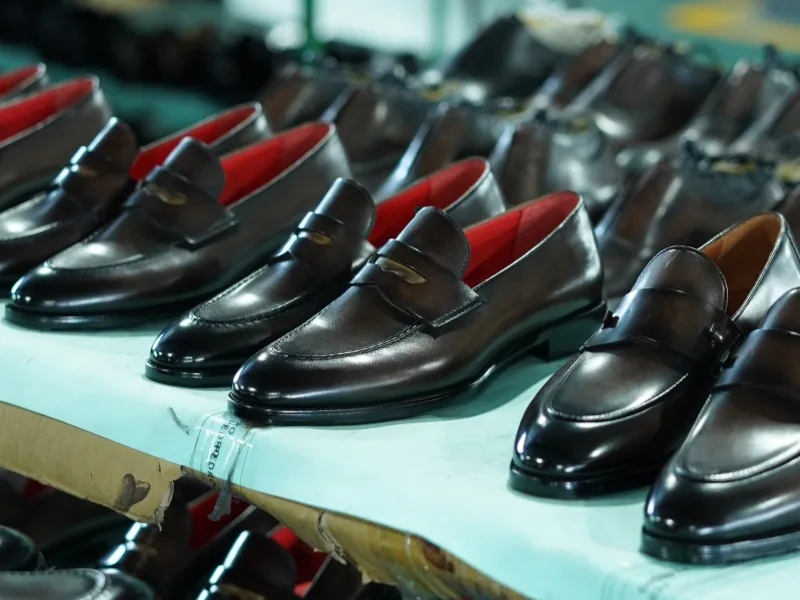
Aggiungere un linguaggio di accettazione misurabile ovunque il risultato influisca su vestibilità, aspetto, attacco, prestazioni o economia dell'assortimento. Un'immagine di riferimento può comunicare la direzione, ma non può sostituire dimensioni, identità del materiale, tolleranza cromatica, metodo di prova o un responsabile decisionale nominato. Il fornitore deve restituire un registro delle domande e identificare ogni ipotesi formulata per preparare la propria risposta.
Assign Technical Owners and Decision Outputs
For each stage, identify the input, responsible owner, expected output and approval authority. Last and fit, pattern, material, component, construction, artwork, packaging and testing decisions may move through different people. A complete handoff makes their dependencies visible and states which files, samples or records authorize the next stage.
Release fields for a footwear design and manufacturing brief
| Campo decisionale | Input richiesto | Evidenza di rilascio |
| Commercial Design Brief And Product Requirements | Specifica, proprietario e tolleranza | Brief versionato e registro delle domande |
| Design-To-Engineering Handoff And Manufacturability Review | Autorità, regola di modifica e dipendenza | Matrice di approvazione e cronologia delle revisioni |
| Ambito commerciale | Quantità, taglie, colori, imballaggio e termine commerciale | Preventivo comparabile con esclusioni |
| Rilascio qualità | Criteri, punto di ispezione ed escalation | Campione firmato e piano di ispezione |
Build One Controlled Product Definition
Connect Drawings, BOM, Samples and Acceptance Criteria
The product definition should keep drawings, measurements, material and component identities, construction notes, artwork, packaging, sample comments and quality criteria on compatible revisions. When a decision changes, identify every affected file and physical reference. Contradictory documents should stop release until the owner resolves them; production should not be asked to choose the intended version from email history.
La specifica dovrebbe seguire le interfacce. Una modifica al modello della tomaia può influire sulla messa in forma e sulla calzata; una modifica alla suola o al guardolo può influire su incollaggio, cucitura, rifinitura del bordo e altezza dell'imballo; una modifica all'assortimento può influire sui minimi di materiale e sulle scorte residue. Mappare tali interfacce rende visibili le conseguenze a valle prima che il campione venga ricostruito.
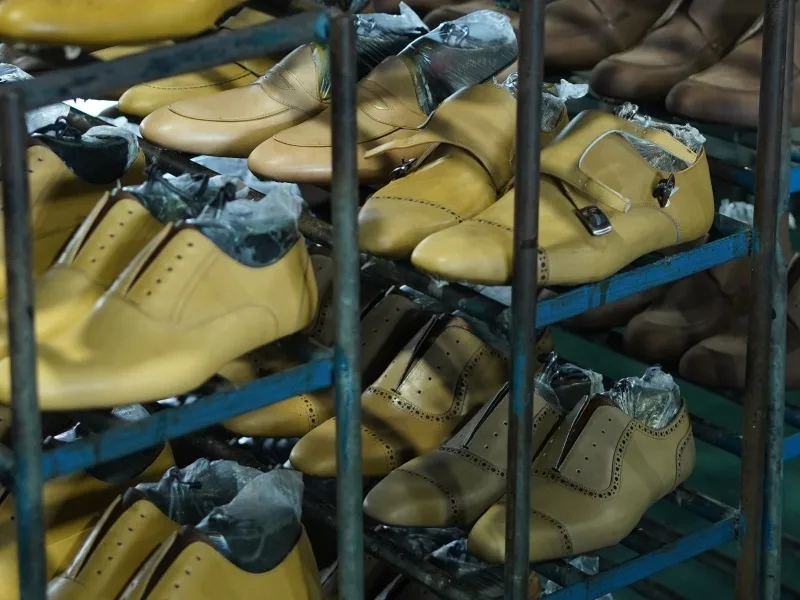
Run a Manufacturability Review before Tooling or Material Commitment
Every released file, sample and tool needs an identity that survives handoffs. Record the revision, owner, location and status, then link comments to the exact item reviewed. Do not allow email descriptions such as ‘use the last version’ to substitute for a controlled number. The production team must be able to identify the current baseline without asking the original developer to reconstruct the history. Maintain a decision register beside the technical package. For every open point, record the alternatives, evidence, responsible proposer, buyer approver, due date and downstream files affected. Close a decision only when the corresponding documents and sample status agree. This makes commercial intent recoverable when team members change and prevents an informal conversation from overriding released production information.
- Elencare le caratteristiche critiche per la qualità e il relativo metodo di accettazione.
- Identificare le interfacce che possono modificare calzata, aspetto, costo o programma.
- Separare le alternative approvate dalle sostituzioni non autorizzate.
- Richiedere una revisione d'impatto scritta prima che qualsiasi input rilasciato venga modificato.
Give Every Sample One Decision Job
Move from Concept Risk to Production Risk
An early prototype may test proportion, construction route or a risky interface. A fit sample should answer last, grading and comfort questions. Later samples should lock materials, color, workmanship, branding and packing. State which decisions are intentionally open at each gate. A visually polished sample is not production-ready when tooling, material identity or the controlled technical package remains provisional.
Esaminare in condizioni definite e misurare i punti rilevanti. Utilizzare la forma o la base di taglia prevista, l'illuminazione pertinente, il confronto tra scarpe appaiate e il riferimento materiale specificato. Fotografare i dettagli approvati, registrare le misurazioni e indicare quale paio fisico o file digitale firmato controlla la produzione in serie. Se il campione è condizionato, elencare le condizioni e impedire il rilascio in serie finché non vengono chiuse.
Collega le revisioni a costi e tempi
A revision can change tooling, material buying, production routing, yield, testing, unit cost and timing. Require an impact statement before implementation. If the buyer accepts the change, update the specification, bill of materials, sample record and quotation together. This discipline prevents a technically approved change from becoming a later price dispute or an undocumented production shortcut. Classify changes by impact before accepting them. A visual correction may still alter pattern balance, material yield or inspection references; an engineering change may require new tooling or a different process route. State whether the change requires another prototype, fit review, production sample, quotation or schedule approval. Apply the same change identity to buyer comments and supplier responses so no team works from an incomplete decision.
- Indicare la domanda e la prova di accettazione per ciascun ciclo di campionatura.
- Registrare insieme misurazioni, materiali, costruzione, colore e finitura.
- Registrare l'effetto su costo, attrezzature e programma di ogni revisione.
- Rilasciare la produzione in serie solo rispetto a un riferimento di controllo identificato.
Translate Released Decisions into Process Controls
Check the Handoff at the Point of Use
Footwear design and manufacturing quality control should trace critical requirements into incoming checks, work instructions, process-stage criteria, approved references and release records. Verify that operators and inspectors can retrieve the current information without relying on the original developer. A final inspection cannot correct a wrong last, obsolete artwork or unapproved material already built into the product.
Utilizzare categorie basate sulla causa. La variazione del materiale, l'errore dimensionale, lo squilibrio della calzata, il cedimento dell'attacco, il danno alla finitura e l'errore di imballaggio non devono essere ridotti a un unico conteggio generico dei difetti. Le registrazioni basate sulla causa aiutano l'acquirente a capire se il fornitore sta controllando il processo o solo selezionando il risultato. Rendono inoltre più utili le azioni correttive e le future decisioni di riordino.
Mappa le dichiarazioni Hengxin su prove specifiche per ordine
Hengxin evidence must stay within controlled wording and should be verified for the actual order. Hengxin’s approved positioning is specialization in premium men’s dress shoes, so the proposed program should remain within that supported category scope. Hengxin supports OEM, ODM and private-label development, with the exact service and customization scope confirmed through project feasibility. Hengxin uses dependency-based MOQ wording: design, materials, construction, colors, sizes, branding and packaging all affect feasibility. Hengxin confirms lead time only after the specification and production schedule have been reviewed. These statements establish relevant context; they do not prove an unreviewed material, construction, capacity, MOQ or delivery promise. The buyer should request the current records that correspond to the released program.
L'evidenza è più solida quando identità, data, prodotto, quantità e risultato coincidono tra documenti e osservazioni. Richiedere la registrazione che supporta ogni dichiarazione sul materiale, annotarne i limiti e definire cosa deve essere aggiornato prima del riordino. Un catalogo curato o un certificato isolato possono supportare il contesto ma non devono sostituire le evidenze attuali di produzione, qualità e spedizione.
Evidence chain for footwear design and manufacturing
| Punto di controllo | Evidenza | Decisione dell'acquirente |
| Specifica | File rilasciato, riferimenti e tolleranze | La base di accettazione è inequivocabile? |
| Campione | Paio firmato, commenti e misurazioni | Il campione ha risposto al suo scopo dichiarato? |
| Produzione | Ordine di lavoro, controlli di processo e identità del lotto | Il percorso osservato corrisponde al preventivo? |
| Rilascio qualità | Risultato dell'ispezione e azione correttiva | L'imballaggio può essere autorizzato con un rischio residuo noto? |
Price Development and Production on Separate Assumptions
Expose Tooling, Revision and Readiness Costs
Footwear design and manufacturing moq can reflect materials, colors, sizes, construction setup, tooling, branding and packaging. Compare quotations by separating development rounds, temporary and production tooling, testing, setup and recurring unit scope. An alternative should be quoted as an explicit option, not silently substituted into the base design to reach a target price.
Un preventivo comparabile separa sviluppo, attrezzaggio, test, setup dell'imballaggio e altri costi una tantum dal costo unitario ricorrente. Indica la specifica esatta, la quantità, il mix taglie-colori, l'ambito dell'ispezione, l'imballaggio, il termine commerciale, la validità e le esclusioni. Per il lavoro all'ingrosso, estendere il collegamento attraverso nolo, dazio, sdoganamento, finanza, reclami ed esposizione al ribasso. Per il lavoro su fornitore o processo, identificare la parte responsabile per ogni attività esclusa.
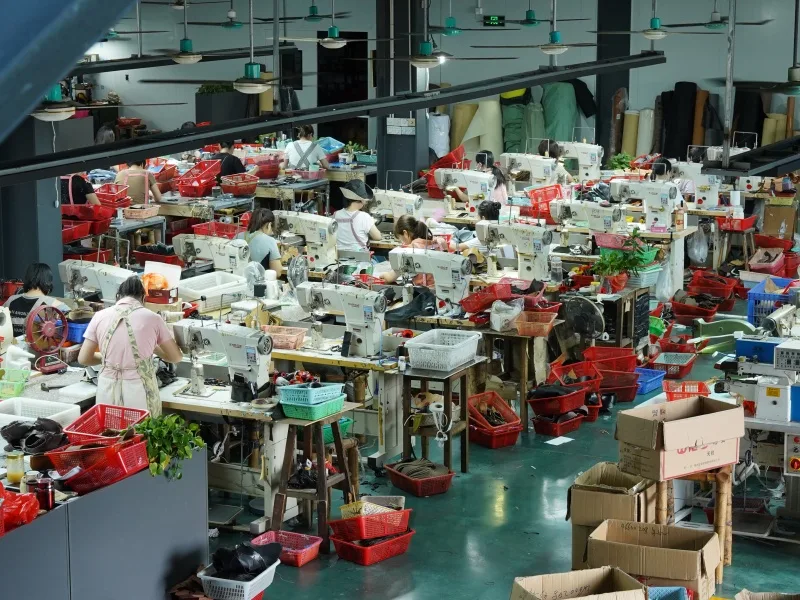
Verifica le milestone e la capacità disponibile
Lead time should be a sequence: brief acceptance, sample rounds, material readiness, tooling, production, inspection, packing and shipment release. Each milestone needs prerequisites and an owner. Capacity should be verified against the product route, current order mix, available slot and recent actual output. A broad daily figure cannot establish whether this exact program can enter the schedule. Build lead time from dependencies rather than a single duration. Include brief acceptance, decision closure, prototype and fit gates, material and component readiness, tooling, production preparation, pilot or pre-production evidence, bulk manufacture, inspection, packing and release. Each milestone should show what must be approved before it starts. A delay forecast should name the affected dependency and the recovery decision required from the buyer or supplier.
Commercial normalization for footwear design and manufacturing
| Campo | Assunzione comparabile | Verifica dell'acquirente |
| MOQ | Evento vincolante di materiale, setup, taglia, colore o imballaggio | Il vincolo può cambiare senza indebolire il programma? |
| Prezzo | Stessa specifica, quantità, ambito e termine commerciale | I costi una tantum sono separati? |
| Programma | Tappe di approvazione, materiale, produzione e imballaggio | Le dipendenze e i responsabili sono indicati? |
| Capacità | Percorso pertinente, carico attuale e slot disponibile | Le prove sono specifiche per l'ordine proposto? |
Release Production through a Readiness Review
Close Conditions across Product, Process and Commercial Records
A release decision should identify the controlling technical revision and sample, approved materials and components, tooling status, quality plan, packing, quantities, quotation basis, schedule and authorized open conditions. If any item remains conditional, name the evidence, owner and stage that cannot proceed. Preserve the release package and actual order results as the starting point for change or reorder.
L'approvazione condizionata è appropriata quando il fornitore è idoneo ma un elemento di prova definito rimane aperto. La nota di aggiudicazione dovrebbe indicare cosa è approvato, cosa è vietato, cosa deve chiudersi prima del pagamento o del rilascio in massa e chi può accettare le prove. Dopo la consegna, conservare la specifica rilasciata, il campione approvato, i registri di lotto, l'esito dell'ispezione, i reclami e l'azione correttiva come base per il riordino.
- Elencare ogni condizione aperta con un responsabile e una data di chiusura.
- Riconfermare prezzo e pianificazione dopo il rilascio della specifica finale.
- Proteggere attrezzi, file, materiali e registri di approvazione necessari per i riordini.
- Registrare la prestazione effettiva di qualità, consegna e commerciale dopo il ricevimento.
Before award, run a four-scenario review for the footwear design and manufacturing program: a failed sample criterion, a material delay, a quantity change and a production-slot conflict. For each case, identify which specification or commercial record changes, who approves the response and what evidence closes the issue. This exposes control systems that work only when the original plan remains untouched.
Use a small decision log throughout the footwear design and manufacturing project. Record the question, available evidence, selected option, rejected alternatives, owner and effective date. The log does not replace the specification; it explains why the specification changed and helps future teams avoid reopening settled assumptions without new evidence.
Footwear Design and Manufacturing FAQs
What belongs in the first commercial design brief?
Define the customer, use case, channel, product role, price logic, market, launch window, fixed design cues and open technical decisions. Do not treat reference images as specifications.
When should manufacturability be reviewed?
Review it before committing production tooling or materials and again when a change affects fit, construction, process route, yield, quality controls, cost or schedule.
How is a prototype different from a production sample?
A prototype answers selected design or engineering questions. A production reference must use released inputs and represent the intended manufacturing baseline.
How should design revisions be controlled?
Use one change identity across drawings, BOM, measurements, artwork, comments, samples, quotation and schedule. Withdraw obsolete versions from the production route.
What should production readiness confirm?
Confirm released files and sample, materials, tooling, process route, quality criteria, packaging, quantities, commercial assumptions and closure of conditions that block production.
What determines footwear design and manufacturing lead time?
Brief quality, decisions, sample rounds, tooling, material readiness, tests, production route, quantity, packing and current scheduling all matter. Use milestones with prerequisites.
Why is the AI and robotics trend keyword excluded?
It signals a time-sensitive industry-trend article, not the buyer’s stage-gate handoff covered here. It requires separate research and current evidence.
Send a Stage-Gate Package with Named Decision Owners
Provide the commercial brief, current technical files, open-decision list, sample purposes, materials and components, construction, branding, packaging, quantities, target market, evidence needs and schedule. Ask the supplier to return feasibility, proposed methods, assumptions, owners and the output required at each gate.
Dress Shoe Factory, the market-facing platform of Hengxin Shoe Factory, supports relevant premium men’s dress-shoe OEM, ODM and private-label development subject to feasibility. The exact design responsibility, MOQ, tooling, material route and lead time must be confirmed for the project before release.