Clicca per espandere l'indice
Indice
Treat OEM as Controlled Execution of Buyer-Owned Inputs
OEM shoes manufacturers should be evaluated on how reliably they execute a buyer-owned product definition, not on how many concepts they can propose. B2B buyers need a controlled technical package, responsibility matrix, tooling and file ownership terms, sample gates, change authority, quality criteria and commercial assumptions before production. The manufacturer should demonstrate that the released drawings, bill of materials, approved sample, work instructions, quotation and schedule remain synchronized when a change occurs.
Related guides: footwear manufacturer capability checklist; custom shoe manufacturer selection.
Define the OEM Responsibility Model before Supplier Contact
Issue a Commercial Brief and Controlled Technical Package
A useful brief explains the customer, price position, intended use, launch window and assortment logic before it lists materials. For an OEM shoe program, define the product family, construction, size range, colors, expected quantities, brand treatments, packaging and target market. State what is already approved, what needs supplier input and which choices remain conditional. This prevents a oem shoe manufacturer from filling gaps with assumptions that later appear as price changes or prototype delays.
- State the product and customer role of an OEM shoe program.
- Define technical package and bill of materials and name the buyer-side decision owner.
- Record tooling, revisions and approval authority with approval evidence and version control.
- Separa i requisiti di lancio dalle opzioni successive o dalle idee di riassortimento.
- Specifica gli input commerciali necessari per una risposta comparabile.
Separate Fixed Product Requirements from Supplier Proposals
Not every product definition deserves the same status. Fit, regulatory requirements, protected artwork and customer-facing claims may be fixed, while leather selection, construction details or packaging can remain conditional within an approved range. Label each item as fixed, supplier-proposed or buyer-to-establish. This classification gives the supplier room to solve legitimate constraints without silently changing the concept.
The brief should also record the decision boundary behind this article: Do not present supplier-supported concept creation as OEM; that decision belongs to N008. That note matters because related search terms can lead teams into a different sourcing workflow. A controlled brief keeps the current buyer decision narrow enough to contrast evidence and broad enough to expose dependencies.
Qualify the Manufacturer’s Handoff and Ownership Controls
Test the Technical Package, BOM and Retrieval System
Ask the manufacturer to retrieve the current drawings, measurements, materials, components, artwork and packing instructions and explain how conflicts are resolved. A complete package is not enough if production cannot identify the controlling revision. Record the owner and approval authority for every critical decision and file.
The checklist must reflect buyer-owned product definitions, tooling control, process release and change management. Request the same core questions of every candidate and require the answer in a comparable form. Record the source, date and limitation of each important statement. This turns supplier evaluation into a traceable decision rather than a collection of impressions.
Criteri decisionali per la prima selezione del fornitore
| Controllo | Evidenze da richiedere | Uso della decisione |
| Technical Package And Bill Of Materials | Evidenze richieste e responsabile della decisione | Definisci prima della valutazione del fornitore |
| Tooling, Revisions And Approval Authority | Registro di approvazione e autorità di modifica | Verificare durante il campionamento |
| Trace approved specifications through incoming, in-process and final checks | Criteri, registrazioni e percorso di escalation | Verificare prima del rilascio in produzione |
| Separate tooling, development and recurring unit-cost assumptions | Ipotesi, esclusioni e quotazione comparabile | Normalizzare prima dell'assegnazione |
Protect Tooling, Files and Branded Assets
State ownership, custody, access, maintenance, permitted use and return or disposal rules for lasts, molds, knives, patterns, artwork, packaging and physical samples. Link each tool and file to the product revision it supports. A commercial invoice for tooling does not by itself settle custody or reuse rights.
- Confermare il responsabile della decisione e le evidenze richieste per l'approvazione.
- Registrare la versione corrente, le ipotesi aperte e la scadenza.
- Segnalare le contraddizioni prima che venga autorizzato un nuovo campione o una nuova quotazione.
- Rilasciare la fase successiva solo quando le evidenze concordate sono complete.
Use OEM Samples to Test Specification Survival
Trace Buyer Decisions into the Production Reference
OEM sample development should show whether the buyer’s specification survives questions, proposed methods, revisions and physical production. Give each sample a decision purpose and record the exact files, materials, components and tooling used. The final reference must identify open conditions and the stage they block.
Review the prototype against the frozen inputs, not against memory. Comment sheets should distinguish defects, product definition changes, optional improvements and questions. Once approved, photograph the reference, sign or digitally lock the record and identify which physical prototype controls bulk production. This approach supports prove that buyer product definitions survive the prototype-to-production handoff.
Control Changes across Product, Tooling and Commercial Records
Classify every change by affected fit, pattern, materials, components, tooling, quality criteria, cost and schedule. Require impact information before approval, then update the technical package, sample status, quotation and work instructions together. Withdraw obsolete branded files and samples from the production route. The change register should distinguish buyer-requested changes, supplier proposals, corrections and unavoidable substitutions. Each type needs a reason, evidence, owner, approval and commercial treatment. If a change makes existing tooling, materials or branded packaging obsolete, record custody and disposition before release. This prevents the production team from absorbing a commercial decision as an undocumented technical shortcut.
Registro di approvazione campione-produzione
| Cancello | Registrazione obbligatoria | Domanda di rilascio |
| Brief accettato | Specifica versionata e registro delle questioni aperte | Le responsabilità e le incognite sono visibili? |
| Campione esaminato | Foglio di commento, misurazioni e riferimenti dei materiali | Il campione risponde al test previsto? |
| Modifiche chiuse | Registro delle revisioni con impatto su costi e pianificazione | Gli input interessati sono stati riapprovati? |
| Produzione in serie rilasciata | Campione di riferimento firmato e criteri di imballaggio | La produzione può identificare il record di controllo? |
Verify OEM Quality Authority and Traceability
Connect Critical Requirements to Stage Evidence
A oem shoe manufacturer evidence checklist should connect claims to current operating records. Useful evidence includes identity and authority documents, the factory relationship, relevant work orders, incoming material records, in-process checks, final inspection records, packing controls and corrective actions. Evidence is stronger when dates, product types and quantities align across documents and observations.
- Verificare che identità, indirizzo e autorità contrattuale coincidano.
- Confrontare il processo dichiarato con la produzione corrente e le evidenze degli ordini di lavoro.
- Tracciare i criteri di qualità dal campione approvato ai record di ispezione.
- Confermare chi chiude le non conformità e autorizza il rilascio dell'imballaggio.
- Registrare le lacune nelle evidenze come condizioni, non come punti di forza presunti.
Use a Factory Audit to Verify Handoff Continuity
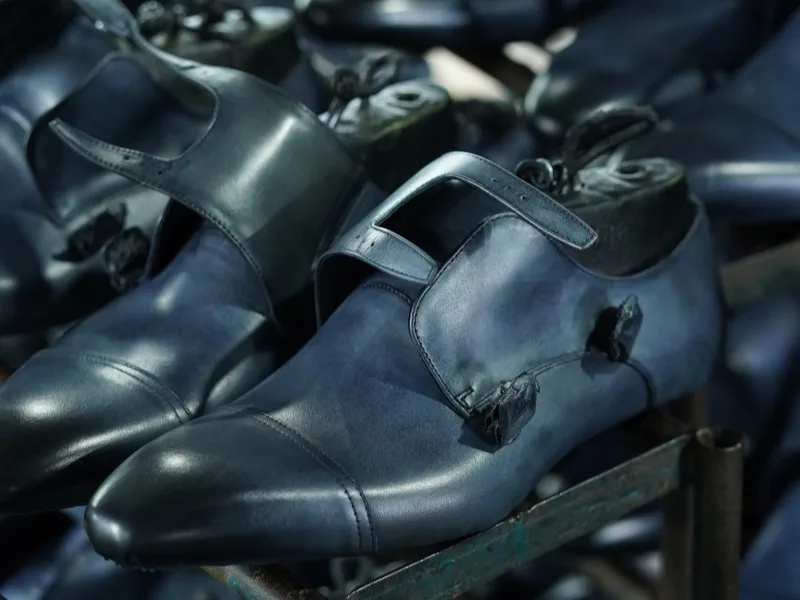
A oem shoe manufacturer factory audit should verify the controls relevant to this program rather than repeat a generic tour. Follow one continuous route where possible, contrast the observed process with the quotation and request operators or records to establish the handoff points. The detailed live-audit method remains with the shoe factory capability verification; this page uses audit evidence only to support its narrower decision. The audit should connect the buyer’s released package to current sample and work-order information, then verify how tooling, branded assets and obsolete versions are controlled. A factory tour is useful only when it tests the OEM handoff needed by the proposed order.
Hengxin evidence must remain within its controlled wording. Hengxin supports OEM, ODM and private label development, but the exact service scope is confirmed through project feasibility rather than assumed in advance. Hengxin’s approved positioning is that it specializes in premium men’s dress shoes, so category fit should be tested against that defined scope. Hengxin states that every finished pair undergoes final inspection before packing; buyers should still confirm the criteria, scope, records and corrective-action route. Hengxin confirms lead time only after the specification and production schedule have been reviewed. These points establish relevant context, but buyers should still verify order-specific materials, capacity, quality criteria and scheduling rather than extend a brand statement into a universal promise.
Normalize OEM Development, Tooling and Bulk Economics
Explain the Binding MOQ and Cost Assumptions
OEM shoe manufacturer moq may be driven by materials, colors, sizes, construction setup, tooling, branding, packaging and commercial policy. Compare candidates on the same product, sample rounds, tooling and ownership, testing, inspection, packing and delivery basis. Alternatives should be separate options, not silent substitutions.
A comparable oem shoe manufacturer quotation separates development, tooling, testing, packaging setup and other one-time charges from recurring unit cost. It states the assumed construction, material grade, size and color mix, branding, inspection, packing, trade terms and validity. Price differences can then be traced to scope rather than treated as unexplained supplier variance.
Build Lead Time from Buyer and Supplier Dependencies
Separate brief acceptance, sample decisions, material and tooling readiness, production preparation, bulk manufacture, inspection, packing and release. Name the buyer approvals that control each milestone and the supplier warning point for delay. A broad capacity number cannot replace a current plan for the approved route.
Normalizzazione commerciale per il confronto dei fornitori
| Campo di confronto | Assunzione richiesta | Verifica dell'acquirente |
| Minimo d'ordine | Vincolo di materiale, impostazione, taglia, colore o imballaggio | Il vincolo può essere modificato senza indebolire la gamma? |
| Prezzo unitario | Stessa specifica, quantità, termine commerciale e ambito di ispezione | I costi una tantum sono separati? |
| Programma | Tappe di approvazione, materiale, produzione e imballaggio | Le dipendenze e gli slot disponibili sono mostrati? |
| Capacità | Percorso del prodotto, carico attuale e produzione effettiva recente | La disponibilità è specifica per questo ordine? |
Award the OEM Program through Conditional Release
Close Ownership and Evidence Gaps before Commitment
The award record should separate confirmed execution capability, conditions and unresolved risk. Identify the controlling specification and sample, tooling and asset terms, quality authority, commercial assumptions, evidence owners and stages that cannot proceed until conditions close. Conditional award should also state the buyer information and response times assumed by the schedule. A supplier cannot close missing specifications, artwork or fit decisions alone, yet it must identify those dependencies early. Record which buyer delay changes price or timing and which factory delay triggers notice, containment or recovery planning so accountability remains balanced and usable.
- Elencare ogni assunzione aperta accanto al suo responsabile e alla data di chiusura.
- Convertire le lacune nelle prove materiali in condizioni pre-aggiudicazione o pre-produzione in serie.
- Riconfermare prezzo e programma dopo il congelamento della specifica.
- Mantenere un fornitore alternativo o un percorso di recupero per le dipendenze critiche.
L'approvazione condizionata è utile quando il fornitore è idoneo ma resta aperto un insieme limitato di prove. La nota di aggiudicazione deve indicare cosa è approvato, cosa è vietato, cosa deve essere chiuso prima del pagamento o del rilascio successivo e chi può accettare le prove. Questo rende la decisione reversibile finché i rischi più importanti non sono controllati.
Before final award, the buyer should run a scenario review for an OEM shoe program. Test a material delay, a failed sample criterion, a quantity change and a schedule conflict. For each case, identify the document that changes, the person who approves the response and the commercial consequence. Scenario review is valuable because it reveals whether the apparent control system works only when the plan is stable. A resilient supplier decision makes changes visible before they become undocumented substitutions, rushed approvals or disputed charges. Before award, scenario-test an unavailable material, rejected sample, tooling correction and buyer-requested quantity change. For each case, identify the document and sample status that changes, who approves the response, who bears cost and whether the schedule must be released again.
After delivery, compare the purchase order, released revision, received product, inspection result, claims, actual timing and custody of reusable assets. Feed that evidence into the next revision and quotation rather than restarting the OEM relationship from sales history. The OEM record should also preserve why a method or material alternative was rejected, not only the final answer. That context prevents a later team from reopening a settled risk without new evidence and helps the buyer distinguish a cost-saving option from an unauthorized weakening of the product definition.
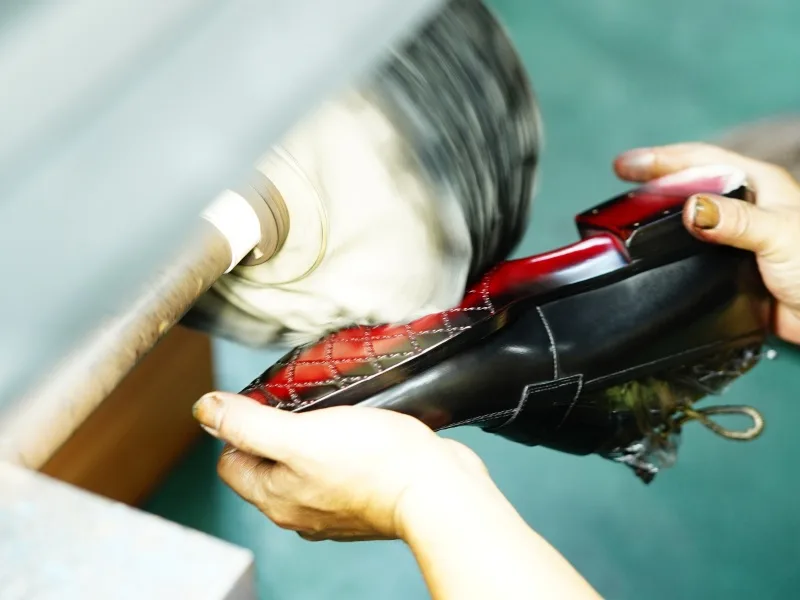
Before final award, the buyer should run a scenario review for an OEM shoe program. Test a material delay, a failed sample criterion, a quantity change and a schedule conflict. For each case, identify the document that changes, the person who approves the response and the commercial consequence. Scenario review is valuable because it reveals whether the apparent control system works only when the plan is stable. A resilient supplier decision makes changes visible before they become undocumented substitutions, rushed approvals or disputed charges.
OEM Shoe Manufacturing FAQs
In cosa differiscono le responsabilità OEM e ODM?
OEM executes buyer-owned product definitions; ODM includes supplier-supported concept or design development. The contract and responsibility matrix should state the actual model.
What must the buyer provide for OEM execution?
Provide the commercial brief, controlled technical package, materials and components, artwork, packing, sample purposes, quality criteria, quantities, market and decision owners.
How should tooling ownership be controlled?
State ownership, custody, access, maintenance, permitted use, change approval and return or disposal for every tool and reusable asset.
What should an OEM approval sample prove?
It should prove that released buyer decisions, materials, tooling and process intent have survived the factory handoff and identify any condition that still blocks bulk.
What determines OEM manufacturing MOQ?
Materials, colors, sizes, construction setup, tooling, branded inputs, packaging and commercial policy may bind. Ask for the actual constraint.
Does final inspection remove OEM handoff risk?
No. A wrong revision, material or tool must be prevented earlier. Final inspection is one stage and does not promise zero defects.
What belongs in the OEM award record?
Record the controlling files and sample, asset terms, confirmed capabilities, conditions, commercial assumptions, evidence owners and closure dates.
Send the Buyer-Owned Release Package for OEM Review
Provide the commercial brief, technical files, BOM, materials and components, tooling and ownership terms, sample status, quality criteria, branding, packing, quantities, market and schedule. Ask the manufacturer to return feasibility, proposed methods, deviations, evidence and responsibilities.
Hengxin supports relevant premium men’s dress-shoe OEM development subject to project feasibility. The precise design inputs, tooling route, MOQ, capacity and timing must be confirmed for the order; OEM support is not an unrestricted capability promise.