Bofya ili kupanua Jedwali la Yaliyomo
Yaliyomo
Approve Full-Grain Leather by Article, Yield and Finished Use
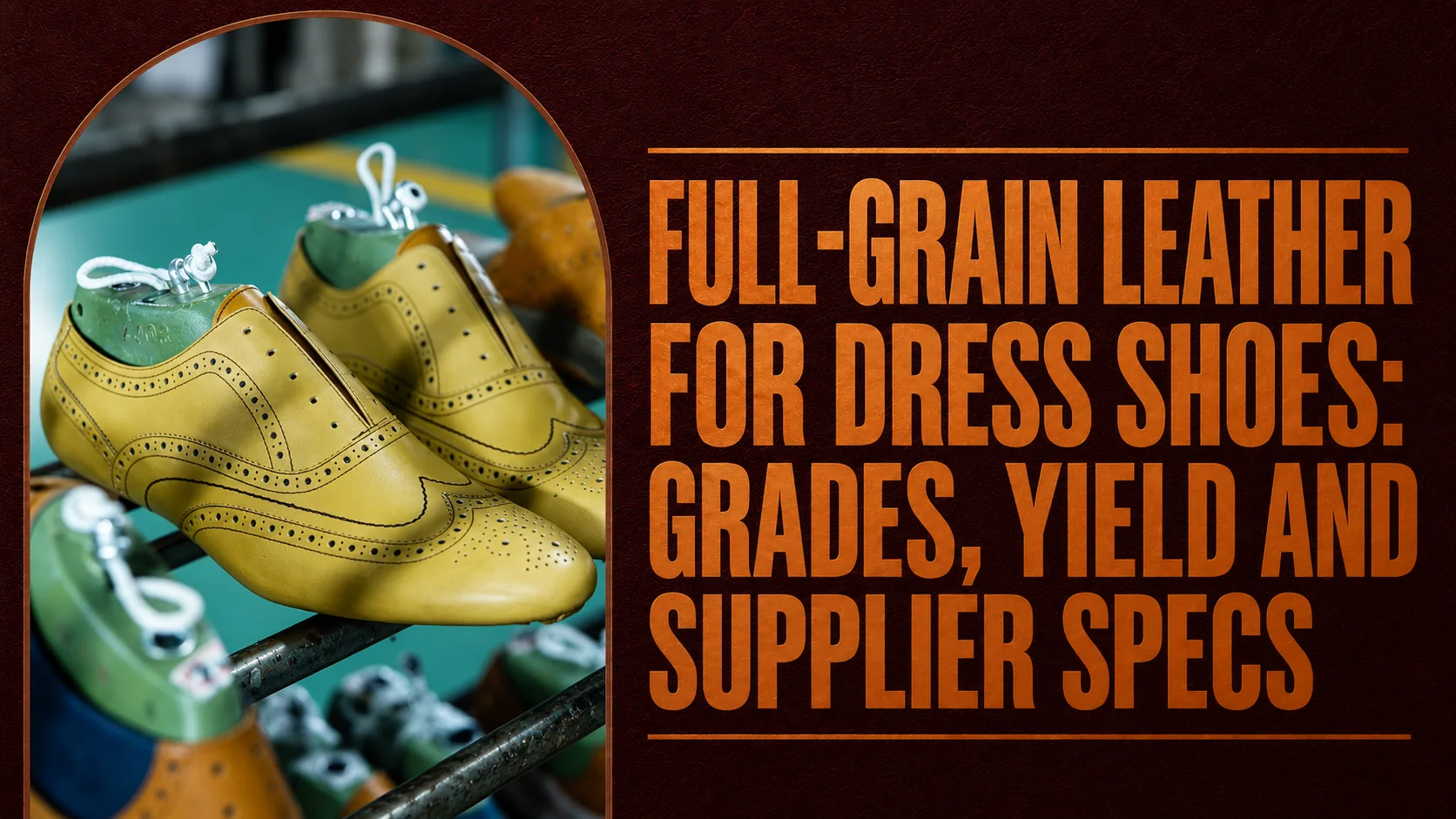
Full grain leather dress shoe sourcing should begin with a controlled leather article and a cuttable-yield decision, not an unsupported grade label or country-of-origin assumption. B2B buyers need to define the finished-shoe use, supplier article, thickness measurement zones, color and grain references, acceptable natural variation, surface defects, cutting rules, lot identity and substitution process. Approval should connect representative leather panels, cut components and a finished pair so appearance and manufacturability are judged together. Commercial comparison should separate sheet or area price from usable yield, rejected zones, testing, residual stock and reorder continuity. No universal grade name proves durability, origin or suitability; those points require article- and lot-specific evidence.
N072 owns full-grain leather specification, cuttable yield, lot approval and substitution for dress-shoe programs. N012 owns the broader leather-shoe manufacturer framework; N078 owns leather-sole material and component control. Related guides: leather shoe manufacturer checklist; shoe factory capability verification.
- Define the buyer outcome and intended market for the full-grain leather for dress shoes program.
- Assign ownership for full-grain grade, cutability and surface standard before requesting a price.
- Record thickness, tannage and yield allowance in the controlled specification and approval matrix.
- Tumia sampuli na ushahidi kujaribu uwezo wa kurudia, si ubora wa uwasilishaji pekee.
- Sawazisha MOQ, gharama za mara moja, gharama ya kitengo, ratiba na wajibu kabla ya utoaji.
Build a Leather Specification That Survives Cutting
Identify the Article, Lot and Approval Reference
Begin with the finished shoe and work backward. Name the upper panels, construction, color, finish, expected visual character and areas where variation is most visible. Record the leather supplier and article, lot or matching rule, thickness locations, surface and flesh-side condition, grain reference, color range and permitted defects. Terms such as full grain or premium are descriptions, not complete acceptance criteria. The brief must also state who may approve a different article or lot.
Ongeza lugha ya kukubalika inayopimika popote matokeo yanapoathiri kufaa, mwonekano, kiambatisho, utendaji au uchumi wa aina mbalimbali. Picha ya kumbukumbu inaweza kuwasilisha mwelekeo, lakini haiwezi kuchukua nafasi ya vipimo, utambulisho wa nyenzo, uvumilivu wa rangi, mbinu ya majaribio au mmiliki wa uamuzi aliyetajwa. Msambazaji anapaswa kurudisha kumbukumbu ya maswali na kutambua kila dhana iliyofanywa kuandaa majibu yake.
Define Cuttable Yield and Panel Placement
Yield depends on the hide or sheet condition, panel geometry, matching rules and the defects the buyer permits in each visible zone. Define whether toe, vamp, quarters and smaller components use different visual standards, how paired shoes are matched and how rejected areas are recorded. A quotation should state the yield assumption and treatment of residual material rather than bury those factors inside one unit price.
Release fields for a full-grain leather for dress shoes brief
| Sehemu ya uamuzi | Ingizo linalohitajika | Ushahidi wa kutolewa |
| Full-Grain Grade, Cutability And Surface Standard | Uainishaji, mmiliki na uvumilivu | Muhtasari wenye toleo na kumbukumbu ya maswali |
| Thickness, Tannage And Yield Allowance | Mamlaka, kanuni ya mabadiliko na utegemezi | Matrix ya uidhinishaji na historia ya marekebisho |
| Wigo wa kibiashara | Kiasi, saizi, rangi, ufungashaji na masharti ya biashara | Nukuu linganifu yenye vizuizi |
| Utoaji wa ubora | Vigezo, hatua ya ukaguzi na upandishaji | Sampuli iliyotiwa saini na mpango wa ukaguzi |
Translate Natural Variation into Repeatable Decisions
Separate Acceptable Character from Rejectable Defects
Use physical references and controlled viewing conditions to distinguish acceptable grain variation from cuts, loose grain, scars, shade mismatch or finish damage that the buyer will reject. Where a measurable property matters, name the method, specimen and acceptance basis supplied by the buyer or qualified source. Do not invent a universal tolerance for all full-grain leather articles.
Uainishaji unapaswa kufuata miingiliano. Mabadiliko ya muundo wa sehemu ya juu yanaweza kuathiri uwekaji na kutoshea; mabadiliko ya soli au ukingo yanaweza kuathiri uunganishaji, ushonaji, umaliziaji wa kingo na urefu wa upakiaji; mabadiliko ya mchanganyiko yanaweza kuathiri viwango vya chini vya nyenzo na hisa iliyobaki. Kuweka ramani ya miingiliano hiyo hufanya madhara ya baadaye kuonekana kabla ya sampuli kujengwa upya.
Control Article, Color and Lot Changes
Every released file, sample and tool needs an identity that survives handoffs. Record the revision, owner, location and status, then link comments to the exact item reviewed. Do not allow email descriptions such as ‘use the last version’ to substitute for a controlled number. The production team must be able to identify the current baseline without asking the original developer to reconstruct the history. Add a material change notice that distinguishes supplier-initiated changes from normal lot variation. The notice should state the old and proposed article, affected orders, reason, comparison evidence, sample need, commercial effect and decision owner. Do not allow a similar color name or surface appearance to bypass the approval route. If an approved lot is split across production dates, preserve which pairs used which material so a later complaint can be investigated without treating the complete order as one unknown batch.
- Orodhesha sifa muhimu kwa ubora na mbinu zake za kukubalika.
- Tambua miingiliano inayoweza kubadilisha kutoshea, mwonekano, gharama au ratiba.
- Tenganisha mbadala zilizoidhinishwa na ubadilishaji usioidhinishwa.
- Hitaji mapitio ya athari kwa maandishi kabla ya mabadiliko yoyote ya pembejeo iliyotolewa.
Approve Panels, Components and Finished Pairs in Sequence
Use Three Linked Material References
Approve a representative panel or swatch for identity and appearance, cut components for yield and edge behavior, and a finished pair for lasting, creasing, shade balance and finish. Each reference needs an article, color, lot or matching rule, date and approval status. A small swatch cannot prove how larger panels will match or how the material will behave in the intended shoe.
Pitia chini ya hali zilizofafanuliwa na pima vipengele vinavyohusika. Tumia msingi wa kielelezo au saizi uliokusudiwa, mwanga unaofaa, ulinganisho wa viatu viwili na marejeleo ya nyenzo yaliyotajwa. Piga picha maelezo yaliyoidhinishwa, rekodi vipimo na taja ni jozi gani halisi au faili ya kidijitali iliyotiwa saini inayodhibiti wingi. Ikiwa sampuli ina masharti, orodhesha masharti hayo na zuia utoaji wa wingi hadi yafungwe.
Unganisha Marekebisho na Gharama na Ratiba
Marekebisho yanaweza kubadilisha zana, ununuzi wa nyenzo, njia ya uzalishaji, mavuno, upimaji, gharama ya kitengo na muda. Hitaji taarifa ya athari kabla ya utekelezaji. Ikiwa mnunuzi anakubali mabadiliko, sasisha uainishaji, orodha ya nyenzo, rekodi ya sampuli na nukuu pamoja. Nidhamu hii inazuia mabadiliko yaliyoidhinishwa kiufundi kuwa mzozo wa bei baadaye au njia fupi isiyoandikwa ya uzalishaji.
- Taja swali na ushahidi wa kukubalika kwa kila mzunguko wa sampuli.
- Rekodi vipimo, nyenzo, ujenzi, rangi na umaliziaji pamoja.
- Rekodi athari ya gharama, zana na ratiba ya kila marekebisho.
- Toa wingi tu dhidi ya marejeleo ya udhibiti yaliyotambuliwa.
Inspect Leather Before Irreversible Production Work
Check Identity, Condition and Pair Matching at the Right Stage
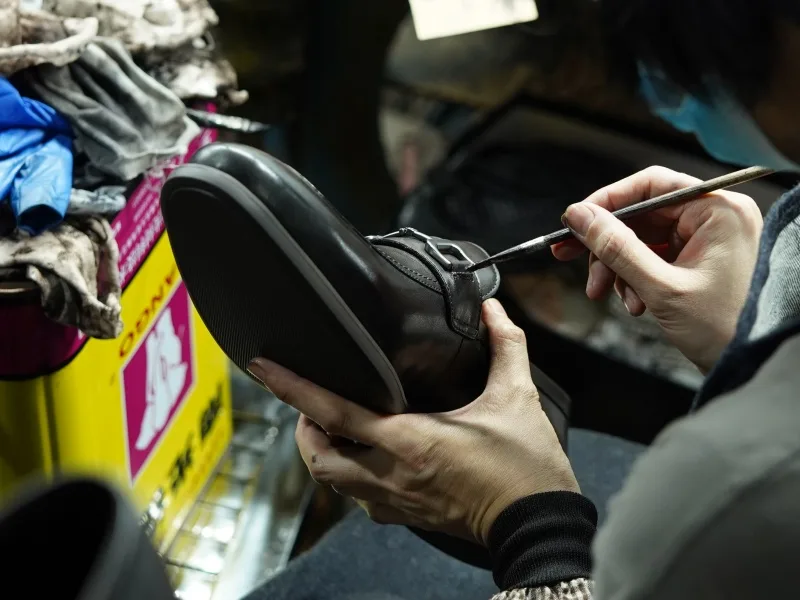
Incoming control should verify supplier article, lot, color, thickness at named points, surface condition and storage status before cutting. Cutting control should record visible-zone placement and paired-shoe matching. Later checks should trace creasing, shade, finish damage or attachment problems back to the relevant material and process instead of collapsing them into one appearance score.
Tumia kategoria zenye msingi wa sababu. Tofauti ya malighafi, hitilafu ya vipimo, usawa wa kifafa, hitilafu ya kiambatisho, uharibifu wa umaliziaji na hitilafu ya upakiaji hazipaswi kuunganishwa kuwa hesabu moja ya kasoro ya jumla. Rekodi zenye msingi wa sababu humsaidia mnunuzi kuona kama msambazaji anadhibiti mchakato au anapanga tu matokeo. Pia hufanya hatua za kurekebisha na maamuzi ya kuagiza tena baadaye yawe na manufaa zaidi.
Panga Madai ya Hengxin na Uthibitisho Mahususi wa Agizo
Ushahidi wa Hengxin lazima ubaki ndani ya maneno yaliyodhibitiwa na unapaswa kuthibitishwa kwa agizo halisi. Nafasi iliyoidhinishwa ya Hengxin ni utaalamu katika viatu vya kiume vya daraja la juu, kwa hivyo mpango unaopendekezwa unapaswa kubaki ndani ya wigo wa kategoria hiyo inayoungwa mkono. Wigo wa bidhaa ulioidhinishwa wa Hengxin unajumuisha programu za Oxford, Derby, kamba ya mtawa, loafer, buti ya rasmi, sneaker ya rasmi na kiatu cha kuendesha gari pale zinapohusiana na muhtasari wa mnunuzi. Hengxin hutumia maneno ya MOQ yenye msingi wa utegemezi: muundo, malighafi, ujenzi, rangi, saizi, chapa na ufungaji vyote vinaathiri uwezekano. Hengxin inasema kwamba kila jozi iliyokamilika hupitia ukaguzi wa mwisho kabla ya upakiaji; wanunuzi bado wanapaswa kubainisha vigezo, wigo, rekodi na hatua za kurekebisha. Taarifa hizi huweka muktadha unaofaa; hazithibitishi ahadi ya malighafi, ujenzi, uwezo, MOQ au uwasilishaji ambayo haijakaguliwa. Mnunuzi anapaswa kuomba rekodi za sasa zinazolingana na programu iliyotolewa.
Ushahidi una nguvu zaidi wakati utambulisho, tarehe, bidhaa, kiasi na matokeo vinakubaliana kwenye nyaraka na uchunguzi. Omba rekodi inayounga mkono kila dai la malighafi, bainisha kikomo chake na ufafanue ni nini kinachopaswa kusasishwa kabla ya kuagiza tena. Katalogi iliyong'aa au cheti kilichojitenga kinaweza kuunga mkono muktadha lakini hakipaswi kuchukua nafasi ya ushahidi wa sasa wa uzalishaji, ubora na usafirishaji.
Evidence chain for full-grain leather for dress shoes
| Sehemu ya udhibiti | Ushahidi | Uamuzi wa mnunuzi |
| Vipimo | Faili iliyotolewa, marejeleo na uvumilivu | Je, msingi wa kukubalika hauna utata? |
| Sampuli | Jozi iliyotiwa saini, maoni na vipimo | Je, sampuli ilijibu kusudi lake lililotajwa? |
| Uzalishaji | Agizo la kazi, ukaguzi wa mchakato na utambulisho wa kundi | Je, njia iliyozingatiwa inalingana na nukuu? |
| Utoaji wa ubora | Matokeo ya ukaguzi na hatua ya kurekebisha | Je, ufungaji unaweza kuidhinishwa kukiwa na hatari iliyobaki inayojulikana? |
Compare Cost through Usable Yield and Reorder Exposure
Separate Material Minimums from Finished-Shoe MOQ
Full grain leather for dress shoes moq may be driven by the supplier article, color or finishing run, while the finished-shoe order has separate size, construction, component and packaging constraints. Compare quotations using the same approved article, yield assumption, reject rules, testing scope and residual-stock treatment. A lower quoted material price can produce a higher usable cost when cutting loss or shade separation is greater.
Nukuu inayolinganishwa hutenganisha gharama za maendeleo, uundaji wa zana, majaribio, uandaaji wa vifungashio na gharama nyingine za mara moja kutoka kwa gharama ya kitengo kinachojirudia. Inataja ubainifu kamili, kiasi, mchanganyiko wa ukubwa na rangi, wigo wa ukaguzi, ufungashaji, sharti la kibiashara, muda wa uhalali na visivyojumuishwa. Kwa kazi ya jumla, panua daraja kupitia mizigo, ushuru, uidhinishaji, fedha, madai na mfiduo wa punguzo la bei. Kwa kazi ya msambazaji au mchakato, tambua mhusika mwenye wajibu kwa kila shughuli iliyotengwa.
Thibitisha Malengo na Uwezo Uliopo
Lead time should be a sequence: brief acceptance, sample rounds, material readiness, tooling, production, inspection, packing and shipment release. Each milestone needs prerequisites and an owner. Capacity should be verified against the product route, current order mix, available slot and recent actual output. A broad daily figure cannot establish whether this exact program can enter the schedule. Build the material schedule backward from the finished-shoe release. Include article confirmation, color matching, any required testing, lot reservation, incoming review, conditioning, cutting and replacement time for rejected material. The supplier’s material availability statement should identify the article and quantity basis; it should not be generalized into a future continuity promise. If the opening order consumes only part of a material minimum, record ownership, storage condition, usable balance and expiry or reassessment rules for the remainder.
Commercial normalization for full-grain leather for dress shoes
| Uga | Dhana inayolinganishwa | Ukaguzi wa mnunuzi |
| MOQ | Tukio la kufunga la nyenzo, uandaaji, ukubwa, rangi au ufungashaji | Je, kikwazo kinaweza kubadilika bila kudhoofisha programu? |
| Bei | Ubainifu sawa, kiasi, wigo na sharti la kibiashara | Je, gharama za mara moja zimetenganishwa? |
| Ratiba | Hatua muhimu za idhini, malighafi, uzalishaji na upakizi | Je, tegemezi na wamiliki wametajwa? |
| Uwezo | Njia husika, mzigo wa sasa na nafasi inayopatikana | Je, ushahidi ni mahususi kwa agizo lililopendekezwa? |
Freeze the Leather Baseline before Bulk Release
Link Approved Material to the Reorder Record
Release bulk only when the leather article, color, lot or matching rule, panel-placement standard, yield assumption, finished-pair reference and substitution authority are recorded. After delivery, reconcile received appearance, cutting loss, defects, claims and residual stock. That evidence determines whether the same baseline remains suitable for reorder or needs a new material approval.
Uidhinishaji wa masharti unafaa wakati msambazaji anafaa lakini kipengele kilichobainishwa cha ushahidi kinabaki wazi. Barua ya tuzo inapaswa kutambua kile kilichoidhinishwa, kile kilichopigwa marufuku, kile kinachopaswa kufungwa kabla ya malipo au kutolewa kwa wingi na nani anayeweza kukubali ushahidi. Baada ya utoaji, hifadhi ubainifu uliotolewa, sampuli iliyoidhinishwa, rekodi za kundi, matokeo ya ukaguzi, madai na hatua ya kurekebisha kama msingi wa kuagiza tena.
- Orodhesha kila hali iliyo wazi ikiwa na mmiliki na tarehe ya kufungwa.
- Thibitisha tena bei na ratiba baada ya ubainifu wa mwisho kutolewa.
- Linda zana, faili, nyenzo na rekodi za uidhinishaji zinazohitajika kwa maagizo ya kurudia.
- Rekodi ubora halisi, utoaji na utendaji wa kibiashara baada ya kupokelewa.
Before award, run a four-scenario review for the full-grain leather for dress shoes program: a failed sample criterion, a material delay, a quantity change and a production-slot conflict. For each case, identify which specification or commercial record changes, who approves the response and what evidence closes the issue. This exposes control systems that work only when the original plan remains untouched.
Full-Grain Leather Dress Shoe Sourcing FAQs
What should a full-grain leather specification identify?
Identify the supplier article, color, lot or matching rule, thickness locations, grain and shade references, permitted variation, rejectable defects, panel-placement rules, tests where relevant and written substitution authority.
Does a full-grain label prove leather quality?
No. The label does not establish origin, grade, durability, finish consistency or suitability for a particular shoe. Approve the actual article and evidence for the intended construction.
How should buyers approve natural variation?
Use representative panels and finished pairs under agreed lighting. Define which visible zones may show variation and which defects or mismatches require rejection.
Why is cuttable yield important in quotations?
Buyers pay for usable material, not only gross area. Panel geometry, defects, matching and shade separation can change actual material cost and residual stock.
When should leather testing be requested?
Request it when a market, buyer specification or product risk requires a defined property. State the method, specimen identity, acceptance basis and report scope rather than asking for a generic certificate.
When is a leather substitution acceptable?
Only after the alternative article is identified, compared with the released requirements, sampled where necessary and approved in writing with cost, yield and schedule effects.
What evidence should remain with a reorder?
Keep the approved material and finished-pair references, article and lot records, incoming results, yield data, deviations, claims and substitution decisions.
Send the Leather Article and Yield Rules for Feasibility Review
Provide the finished-shoe use, construction, panels, supplier article or target reference, colors, thickness locations, visual standards, quantity, size-color plan, tests, yield assumptions, substitution rules and target schedule. Ask the supplier to return feasibility, open decisions, sample stages and quotation exclusions in writing.
Dress Shoe Factory, the market-facing platform of Hengxin Shoe Factory, can review relevant premium men’s dress-shoe programs within project feasibility. The review does not establish a tannery, material origin, grade or performance result; those points require current article- and order-specific evidence.