
Haz clic para desplegar el índice
Índice
Convert the Commercial Brief into Release Gates
Footwear design and manufacturing succeeds when a commercial idea is converted into controlled engineering decisions before production commitments are made. B2B buyers should begin with the customer, channel, product role, target cost logic and fixed design intent, then assign ownership for the last, pattern, materials, components, construction, branding, packaging and acceptance criteria. Each prototype or sample needs one decision purpose, a version identity and a defined approval gate. Changes must update the technical files, bill of materials, sample reference, quotation and schedule together. Production release should occur only when manufacturability, materials, quality controls, tooling and open conditions are aligned. This page owns the full stage-gate handoff; specialist tech-pack, prototype and final-sample pages own their detailed methods.
N092 owns the end-to-end commercial-brief-to-production stage gate. N087 owns tech-pack fields, N088 owns prototype iteration, N089 owns final sample approval, and N004 owns manufacturer selection for original customization. Related guides: shoe factory capability verification; custom shoe manufacturer selection.
- Define the buyer outcome and intended market for the footwear design and manufacturing program.
- Assign ownership for commercial design brief and product requirements before requesting a price.
- Record design-to-engineering handoff and manufacturability review in the controlled specification and approval matrix.
- Utilice muestras y evidencia para probar la repetibilidad, no solo la calidad de presentación.
- Normalice el MOQ, los cargos únicos, el costo unitario, el cronograma y la responsabilidad antes de la adjudicación.
Separate Commercial Intent from Engineering Decisions
Define What the Product Must Achieve
The commercial brief should name the customer, use case, channel, price position, range role, destination market and launch window. Mark non-negotiable design cues separately from open technical choices. A reference image can communicate direction, but it cannot decide fit, materials, construction, tolerances or production methods. The supplier should return feasibility questions and alternative routes before those open choices enter a quotation.
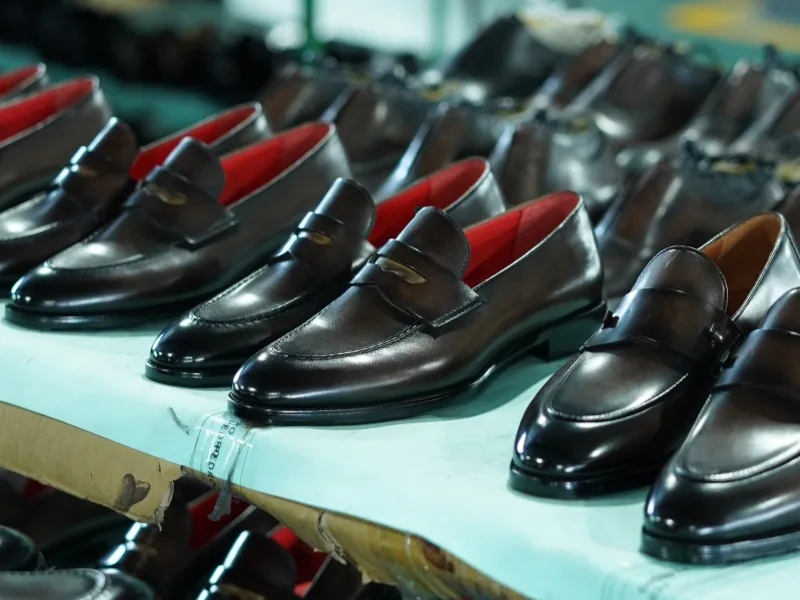
Añada lenguaje de aceptación medible siempre que el resultado afecte el ajuste, la apariencia, la fijación, el rendimiento o la economía del surtido. Una imagen de referencia puede comunicar la dirección, pero no puede reemplazar las dimensiones, la identidad del material, la tolerancia de color, el método de prueba o un responsable de decisión designado. El proveedor debe devolver un registro de preguntas e identificar cada suposición realizada para preparar su respuesta.
Assign Technical Owners and Decision Outputs
For each stage, identify the input, responsible owner, expected output and approval authority. Last and fit, pattern, material, component, construction, artwork, packaging and testing decisions may move through different people. A complete handoff makes their dependencies visible and states which files, samples or records authorize the next stage.
Release fields for a footwear design and manufacturing brief
| Campo de decisión | Entrada requerida | Evidencia de liberación |
| Commercial Design Brief And Product Requirements | Especificación, propietario y tolerancia | Informe versionado y registro de preguntas |
| Design-To-Engineering Handoff And Manufacturability Review | Autoridad, regla de cambio y dependencia | Matriz de aprobación e historial de revisiones |
| Alcance comercial | Cantidad, tallas, colores, embalaje y término comercial | Cotización comparable con exclusiones |
| Liberación de calidad | Criterios, punto de inspección y escalamiento | Muestra firmada y plan de inspección |
Build One Controlled Product Definition
Connect Drawings, BOM, Samples and Acceptance Criteria
The product definition should keep drawings, measurements, material and component identities, construction notes, artwork, packaging, sample comments and quality criteria on compatible revisions. When a decision changes, identify every affected file and physical reference. Contradictory documents should stop release until the owner resolves them; production should not be asked to choose the intended version from email history.
La especificación debe seguir las interfaces. Un cambio en un patrón superior puede afectar el montado y el ajuste; un cambio de suela o vira puede afectar la adhesión, la costura, el acabado del canto y la altura de empaque; un cambio de surtido puede afectar los mínimos de material y el stock residual. Mapear esas interfaces hace visibles las consecuencias posteriores antes de reconstruir la muestra.
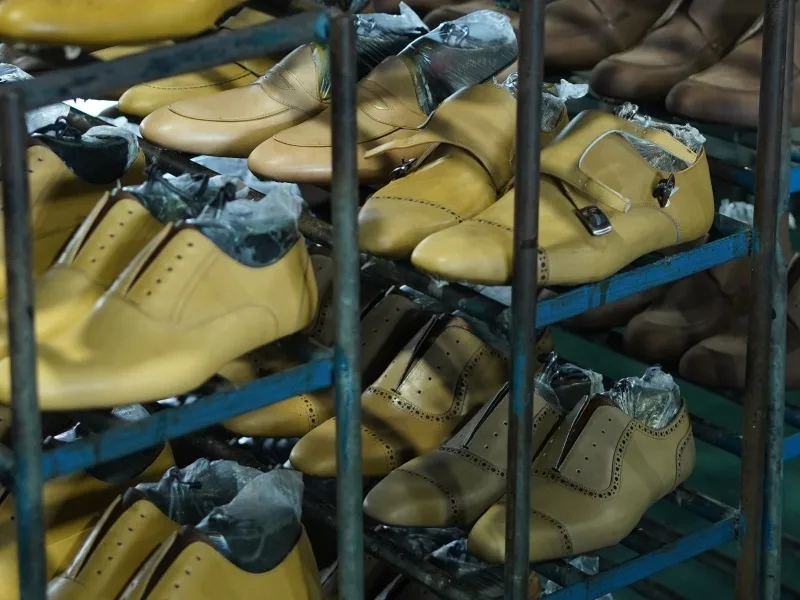
Run a Manufacturability Review before Tooling or Material Commitment
Every released file, sample and tool needs an identity that survives handoffs. Record the revision, owner, location and status, then link comments to the exact item reviewed. Do not allow email descriptions such as ‘use the last version’ to substitute for a controlled number. The production team must be able to identify the current baseline without asking the original developer to reconstruct the history. Maintain a decision register beside the technical package. For every open point, record the alternatives, evidence, responsible proposer, buyer approver, due date and downstream files affected. Close a decision only when the corresponding documents and sample status agree. This makes commercial intent recoverable when team members change and prevents an informal conversation from overriding released production information.
- Enumerar las características críticas para la calidad y su método de aceptación.
- Identificar las interfaces que pueden cambiar el ajuste, la apariencia, el costo o el cronograma.
- Separar las alternativas aprobadas de las sustituciones no autorizadas.
- Exigir una revisión de impacto por escrito antes de que cambie cualquier insumo liberado.
Give Every Sample One Decision Job
Move from Concept Risk to Production Risk
An early prototype may test proportion, construction route or a risky interface. A fit sample should answer last, grading and comfort questions. Later samples should lock materials, color, workmanship, branding and packing. State which decisions are intentionally open at each gate. A visually polished sample is not production-ready when tooling, material identity or the controlled technical package remains provisional.
Revisar bajo condiciones definidas y medir los puntos que importan. Usar la horma o base de tallas prevista, la iluminación pertinente, la comparación de zapato par y la referencia de material especificada. Fotografiar los detalles aprobados, registrar las mediciones y declarar qué par físico o archivo digital firmado controla la producción en volumen. Si la muestra es condicional, enumerar las condiciones e impedir la liberación en volumen hasta que se cierren.
Conecte las revisiones con el costo y el cronograma
A revision can change tooling, material buying, production routing, yield, testing, unit cost and timing. Require an impact statement before implementation. If the buyer accepts the change, update the specification, bill of materials, sample record and quotation together. This discipline prevents a technically approved change from becoming a later price dispute or an undocumented production shortcut. Classify changes by impact before accepting them. A visual correction may still alter pattern balance, material yield or inspection references; an engineering change may require new tooling or a different process route. State whether the change requires another prototype, fit review, production sample, quotation or schedule approval. Apply the same change identity to buyer comments and supplier responses so no team works from an incomplete decision.
- Nombrar la pregunta y la evidencia de aceptación para cada ronda de muestras.
- Registrar juntos las mediciones, los materiales, la construcción, el color y el acabado.
- Registrar el efecto en costo, herramental y cronograma de cada revisión.
- Liberar la producción en volumen solo contra una referencia de control identificada.
Translate Released Decisions into Process Controls
Check the Handoff at the Point of Use
Footwear design and manufacturing quality control should trace critical requirements into incoming checks, work instructions, process-stage criteria, approved references and release records. Verify that operators and inspectors can retrieve the current information without relying on the original developer. A final inspection cannot correct a wrong last, obsolete artwork or unapproved material already built into the product.
Utilice categorías basadas en causas. La variación de material, el error dimensional, el desequilibrio de ajuste, la falla de fijación, el daño de acabado y el error de empaque no deben colapsarse en un conteo genérico de defectos. Los registros basados en causas ayudan al comprador a ver si el proveedor está controlando el proceso o solo clasificando el resultado. También hacen que la acción correctiva y las decisiones futuras de reorden sean más útiles.
Asigne las afirmaciones de Hengxin a pruebas específicas del pedido
Hengxin evidence must stay within controlled wording and should be verified for the actual order. Hengxin’s approved positioning is specialization in premium men’s dress shoes, so the proposed program should remain within that supported category scope. Hengxin supports OEM, ODM and private-label development, with the exact service and customization scope confirmed through project feasibility. Hengxin uses dependency-based MOQ wording: design, materials, construction, colors, sizes, branding and packaging all affect feasibility. Hengxin confirms lead time only after the specification and production schedule have been reviewed. These statements establish relevant context; they do not prove an unreviewed material, construction, capacity, MOQ or delivery promise. The buyer should request the current records that correspond to the released program.
La evidencia es más sólida cuando la identidad, la fecha, el producto, la cantidad y el resultado coinciden en todos los documentos y observaciones. Solicite el registro que respalde cada afirmación de material, anote su limitación y defina qué debe actualizarse antes del reorden. Un catálogo pulido o un certificado aislado pueden respaldar el contexto, pero no deben reemplazar la evidencia actual de producción, calidad y envío.
Evidence chain for footwear design and manufacturing
| Punto de control | Evidencia | Decisión del comprador |
| Especificación | Archivo liberado, referencias y tolerancias | ¿La base de aceptación es inequívoca? |
| Muestra | Par firmado, comentarios y mediciones | ¿La muestra respondió a su propósito declarado? |
| Producción | Orden de trabajo, controles de proceso e identidad de lote | ¿La ruta observada coincide con la cotización? |
| Liberación de calidad | Resultado de inspección y acción correctiva | ¿Se puede autorizar el empaque con un riesgo residual conocido? |
Price Development and Production on Separate Assumptions
Expose Tooling, Revision and Readiness Costs
Footwear design and manufacturing moq can reflect materials, colors, sizes, construction setup, tooling, branding and packaging. Compare quotations by separating development rounds, temporary and production tooling, testing, setup and recurring unit scope. An alternative should be quoted as an explicit option, not silently substituted into the base design to reach a target price.
Una cotización comparable separa el desarrollo, el herramental, las pruebas, la preparación del empaque y otros cargos únicos del costo unitario recurrente. Indica la especificación exacta, la cantidad, la mezcla de talla y color, el alcance de la inspección, el empaque, el término comercial, la vigencia y las exclusiones. Para trabajo al mayoreo, extienda el puente a través del flete, los aranceles, el despacho, el financiamiento, las reclamaciones y la exposición a rebajas. Para trabajo de proveedor o de proceso, identifique al responsable de cada actividad excluida.
Verifique los hitos y la capacidad disponible
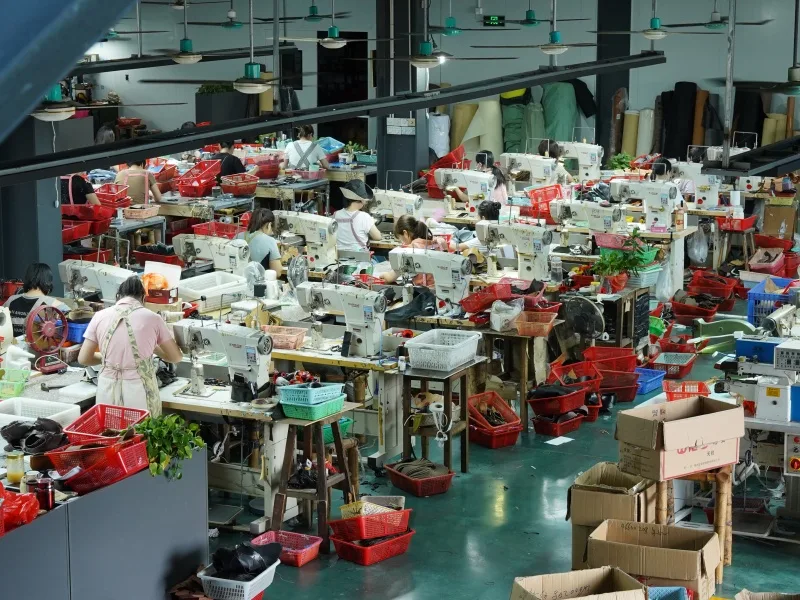
Lead time should be a sequence: brief acceptance, sample rounds, material readiness, tooling, production, inspection, packing and shipment release. Each milestone needs prerequisites and an owner. Capacity should be verified against the product route, current order mix, available slot and recent actual output. A broad daily figure cannot establish whether this exact program can enter the schedule. Build lead time from dependencies rather than a single duration. Include brief acceptance, decision closure, prototype and fit gates, material and component readiness, tooling, production preparation, pilot or pre-production evidence, bulk manufacture, inspection, packing and release. Each milestone should show what must be approved before it starts. A delay forecast should name the affected dependency and the recovery decision required from the buyer or supplier.
Commercial normalization for footwear design and manufacturing
| Campo | Supuesto comparable | Verificación del comprador |
| MOQ | Evento vinculante de material, preparación, talla, color o empaque | ¿Puede cambiar la restricción sin debilitar el programa? |
| Precio | Misma especificación, cantidad, alcance y término comercial | ¿Están separados los cargos únicos? |
| Cronograma | Hitos de aprobación, material, producción y empaque | ¿Están indicadas las dependencias y los responsables? |
| Capacidad | Ruta relevante, carga actual y espacio disponible | ¿La evidencia es específica para el pedido propuesto? |
Release Production through a Readiness Review
Close Conditions across Product, Process and Commercial Records
A release decision should identify the controlling technical revision and sample, approved materials and components, tooling status, quality plan, packing, quantities, quotation basis, schedule and authorized open conditions. If any item remains conditional, name the evidence, owner and stage that cannot proceed. Preserve the release package and actual order results as the starting point for change or reorder.
La aprobación condicional es apropiada cuando el proveedor es adecuado pero un elemento de evidencia definido permanece abierto. La nota de adjudicación debe identificar qué está aprobado, qué está prohibido, qué debe cerrarse antes del pago o la liberación del lote y quién puede aceptar la evidencia. Después de la entrega, conserve la especificación liberada, la muestra aprobada, los registros del lote, el resultado de la inspección, las reclamaciones y la acción correctiva como base para nuevos pedidos.
- Enumere cada condición abierta con un propietario y una fecha de cierre.
- Reconforme el precio y el cronograma después de que se libere la especificación final.
- Proteja las herramientas, los archivos, los materiales y los registros de aprobación necesarios para los nuevos pedidos.
- Registre el desempeño real de calidad, entrega y comercial después de la recepción.
Before award, run a four-scenario review for the footwear design and manufacturing program: a failed sample criterion, a material delay, a quantity change and a production-slot conflict. For each case, identify which specification or commercial record changes, who approves the response and what evidence closes the issue. This exposes control systems that work only when the original plan remains untouched.
Use a small decision log throughout the footwear design and manufacturing project. Record the question, available evidence, selected option, rejected alternatives, owner and effective date. The log does not replace the specification; it explains why the specification changed and helps future teams avoid reopening settled assumptions without new evidence.
Footwear Design and Manufacturing FAQs
What belongs in the first commercial design brief?
Define the customer, use case, channel, product role, price logic, market, launch window, fixed design cues and open technical decisions. Do not treat reference images as specifications.
When should manufacturability be reviewed?
Review it before committing production tooling or materials and again when a change affects fit, construction, process route, yield, quality controls, cost or schedule.
How is a prototype different from a production sample?
A prototype answers selected design or engineering questions. A production reference must use released inputs and represent the intended manufacturing baseline.
How should design revisions be controlled?
Use one change identity across drawings, BOM, measurements, artwork, comments, samples, quotation and schedule. Withdraw obsolete versions from the production route.
What should production readiness confirm?
Confirm released files and sample, materials, tooling, process route, quality criteria, packaging, quantities, commercial assumptions and closure of conditions that block production.
What determines footwear design and manufacturing lead time?
Brief quality, decisions, sample rounds, tooling, material readiness, tests, production route, quantity, packing and current scheduling all matter. Use milestones with prerequisites.
Why is the AI and robotics trend keyword excluded?
It signals a time-sensitive industry-trend article, not the buyer’s stage-gate handoff covered here. It requires separate research and current evidence.
Send a Stage-Gate Package with Named Decision Owners
Provide the commercial brief, current technical files, open-decision list, sample purposes, materials and components, construction, branding, packaging, quantities, target market, evidence needs and schedule. Ask the supplier to return feasibility, proposed methods, assumptions, owners and the output required at each gate.
Dress Shoe Factory, the market-facing platform of Hengxin Shoe Factory, supports relevant premium men’s dress-shoe OEM, ODM and private-label development subject to feasibility. The exact design responsibility, MOQ, tooling, material route and lead time must be confirmed for the project before release.